West London Data Centre Boom Fuels UK Electricity and Water Concerns
Executive summary
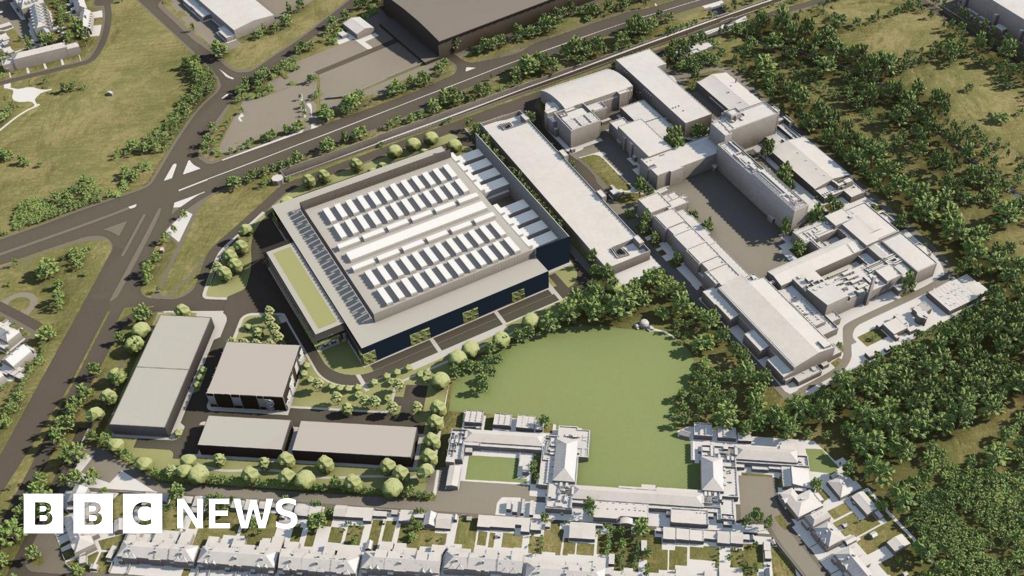
Hounslow Council has approved another significant data centre near Heathrow, adding to a series of recent approvals in west London. This decision comes despite concerns raised about the substantial demands these facilities place on local electricity and water supplies, a growing issue across the UK's capital.
Reporting based on bbc.com
Why it matters
The continued approval of data centres, particularly in west London, directly impacts the UK's energy system by significantly increasing electricity demand. As these facilities underpin almost all economic activity and innovation, including AI, their energy and water consumption profiles are critical for understanding future grid strain and resource management, especially given London hosts approximately 80% of the UK's data centre capacity.
Sector impact
Analysis by AI Energy Intelligence UK
The newly approved Hounslow data centre will require an 80MVA high-capacity power connection, equivalent to the needs of tens of thousands of homes. This adds to an existing queue where approximately 10 times the electricity capacity used by current London data centres has already been requested, highlighting significant pressure on the National Energy System Operator and grid infrastructure in the region.
The article indicates that data centres are a major driver of demand on the UK's electricity grid, as stated by Ofgem. While the Hounslow facility's supply is routed outside the borough and not earmarked for other local developments, the cumulative impact of numerous large facilities in west London raises broader questions about maintaining sufficient supply margins and grid stability across the capital, particularly as demand scales rapidly.
The proliferation of data centres in London underscores the capital's role as a critical hub for IT infrastructure, which underpins economic activity and innovation. For businesses relying on these services, the continued expansion ensures capacity, but potential future constraints on energy or water could impact operational costs or the speed of further expansion if not adequately managed at a strategic level.
While not directly impacting consumers immediately, the substantial electricity demand of these data centres contributes to overall grid pressures. Should capacity issues arise or significant infrastructure upgrades be required to support this growth, there could be indirect implications for energy costs or reliability for residential consumers in the long term, though these are not explicitly detailed in the article.
Key statistics
Figures as reported by bbc.com. See original source for context.
Long-term implications
The concentration of 80% of the UK's data centre capacity in London, coupled with ongoing rapid expansion, suggests a long-term challenge for resource planning, particularly concerning electricity and water. Future development will increasingly depend on strategic grid enhancements and sustainable water management strategies, potentially influencing where future AI infrastructure can be sited across the UK.
Frequently asked questions
What is the key concern regarding new data centres in west London?
The primary concerns revolve around the significant demands these data centres place on electricity and water supplies in the region.
How much electricity will the new Hounslow data centre require?
The approved data centre in Hounslow will require an 80MVA high-capacity power connection, which is comparable to the needs of tens of thousands of homes.
What proportion of the UK's data centre capacity is located in London?
Approximately 80% of the UK's data centre capacity is located in London.
What has Ofgem stated about data centres?
Ofgem, the energy regulator for Great Britain, has stated that data centres are a major driver of demand on the UK's electricity grid.
Explore related tools
Original source
This story summarises reporting from bbc.com. Read the original for full context.
Read on bbc.comRecommended reports
Independent UK research that expands on the themes in this story.

The environmental cost of AI-generated answers versus conventional search, benchmarked for UK decision-makers. An independent, evidence-based comparison of electricity, water and carbon per query across Google, Gemini, ChatGPT, Copilot, Perplexity and Claude — with forecasts to 2035.
Read the reportThe definitive UK view of AI's electricity, grid and infrastructure impact in 2026. An independent, evidence-based report on demand growth, data centre build-out, AI Growth Zones and the trajectory to 2035 — for UK policymakers, operators and investors.
Read the report
A structured briefing on how artificial intelligence infrastructure is reshaping Britain's power network — from substation bottlenecks to regional investment opportunities and long-term grid risk.
Read the reportGet the UK AI Energy briefing
Analysis on AI, electricity and the UK grid, straight to your inbox.
The measured evidence behind this story
Our reporting sits on top of the UK AI Energy Index — a sourced, dated record of AI and data-centre electricity demand, data-centre development and grid pressure.
View the full index