Data Centre Demand Calculator
Estimate the annual electricity demand, water demand and household-equivalent consumption of a data centre from its rack count and server density.
Looking for how much electricity UK data centres use today? See how many data centres the UK has and their energy use.
Important: These tools provide educational estimates only. Actual AI electricity use varies by model, data centre, cooling system, hardware, location and workload. Do not use these results as official energy, planning, investment or engineering advice.
Facility
Plain English summary
This facility could consume about 184 GWh per year — equivalent to 73,584 UK homes — and around 331.1 megalitres of cooling water if evaporatively cooled.
How This Calculator Works
Typical UK household electricity use: 2,500 kWh a year (Ofgem typical domestic consumption value from 1 July 2026).
IT load = racks × per-rack power × utilisation. Facility load = IT load × PUE (1.4). Annual electricity = facility load × 24 × 365. Water uses ≈1.8 litres per kWh for evaporative cooling.
What The Result Means
The figures size the facility's draw on the grid and water network, and translate it into homes-equivalent terms for context.
Limitations
Cooling method changes the water/electricity trade-off significantly; treat results as directional.
Related Tools
Continue exploring the UK AI Energy Intelligence Centre.
Related Downloads
Free UK AI energy resources from AI Energy Intelligence UK.
Go deeper with our research
Reports and analysis that build on the numbers from this tool.
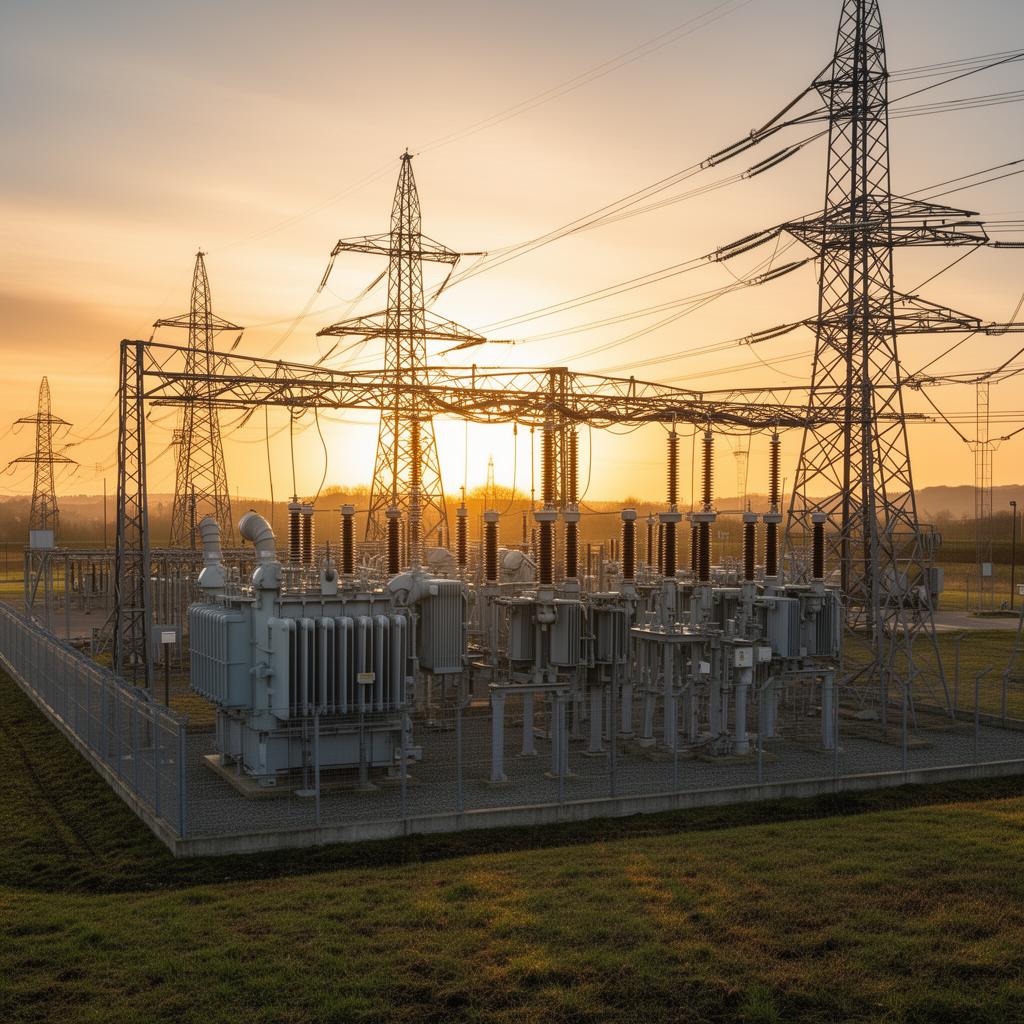
A comprehensive briefing for investors and executives on UK AI infrastructure capital deployment — covering data centres, energy generation, battery storage, grid upgrades, substations and nuclear projects to 2030.
Read the report
A structured briefing on how artificial intelligence infrastructure is reshaping Britain's power network — from substation bottlenecks to regional investment opportunities and long-term grid risk.
Read the report
Independent analysis of the UK's best value energy suppliers for households in 2026 — covering tariffs, customer service, green energy, switching value and the Ofgem price cap.
Read the report