AI Grid Impact Forecast Tool
Project how AI and data centre growth could increase electricity demand in a UK region, and what that means for infrastructure and grid stress.
Important: These tools provide educational estimates only. Actual AI electricity use varies by model, data centre, cooling system, hardware, location and workload. Do not use these results as official energy, planning, investment or engineering advice.
Scenario
Infrastructure requirements
In London & South East, this scenario adds roughly 8.5 TWh per year (about 9% of current regional demand). Grid stress is rated Moderate — Targeted reinforcement likely needed. Expect pressure on substations, transmission upgrades and connection queues.
How This Calculator Works
We take an approximate baseline annual demand for the region, then apply a growth-scenario factor and an AI-adoption multiplier to estimate additional demand. The stress rating compares additional demand to the regional baseline.
What The Result Means
A higher percentage and stress rating signal a greater likelihood that the local network needs reinforcement, new connections or generation to keep pace with AI-driven growth.
Limitations
Regional baselines and multipliers are illustrative. Real planning uses detailed network and FES data.
Related Tools
Continue exploring the UK AI Energy Intelligence Centre.
Related Downloads
Free UK AI energy resources from AI Energy Intelligence UK.
Go deeper with our research
Reports and analysis that build on the numbers from this tool.
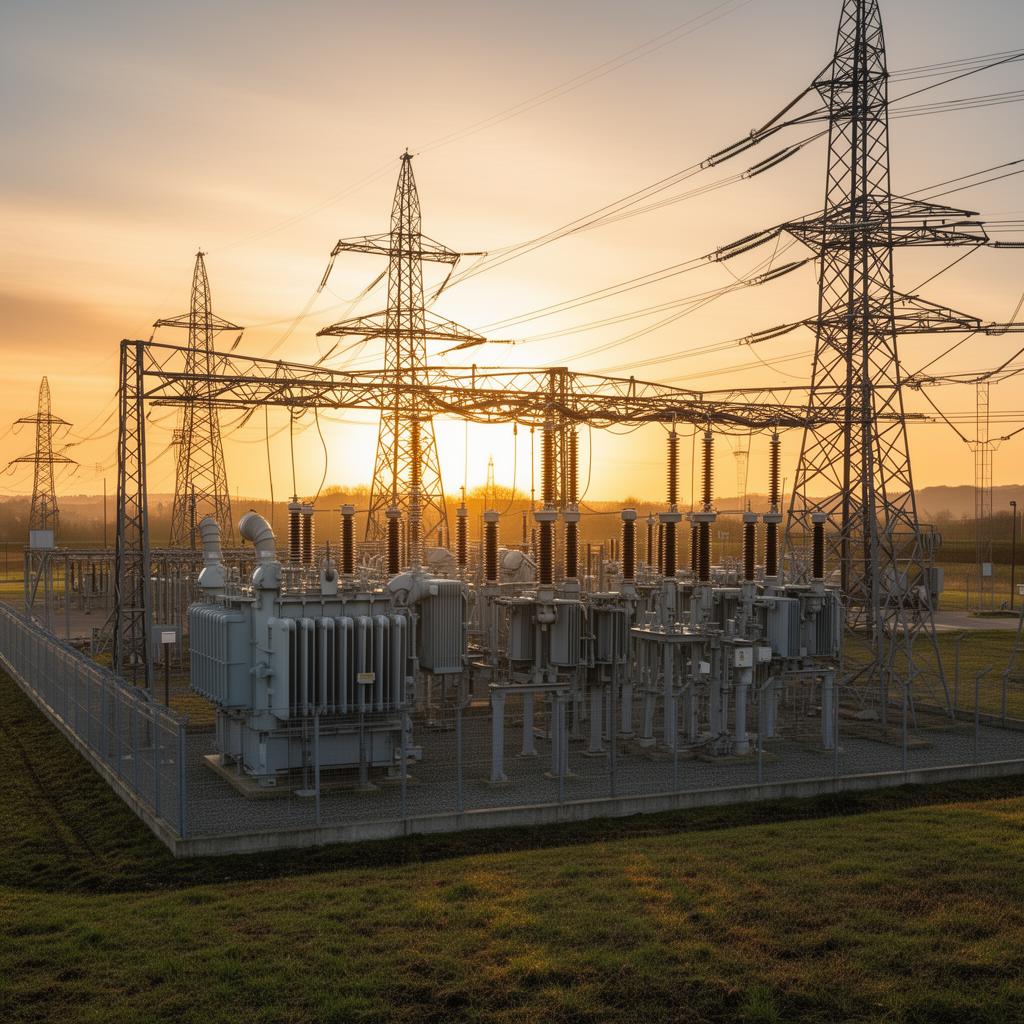
A comprehensive briefing for investors and executives on UK AI infrastructure capital deployment — covering data centres, energy generation, battery storage, grid upgrades, substations and nuclear projects to 2030.
Read the report
A structured briefing on how artificial intelligence infrastructure is reshaping Britain's power network — from substation bottlenecks to regional investment opportunities and long-term grid risk.
Read the report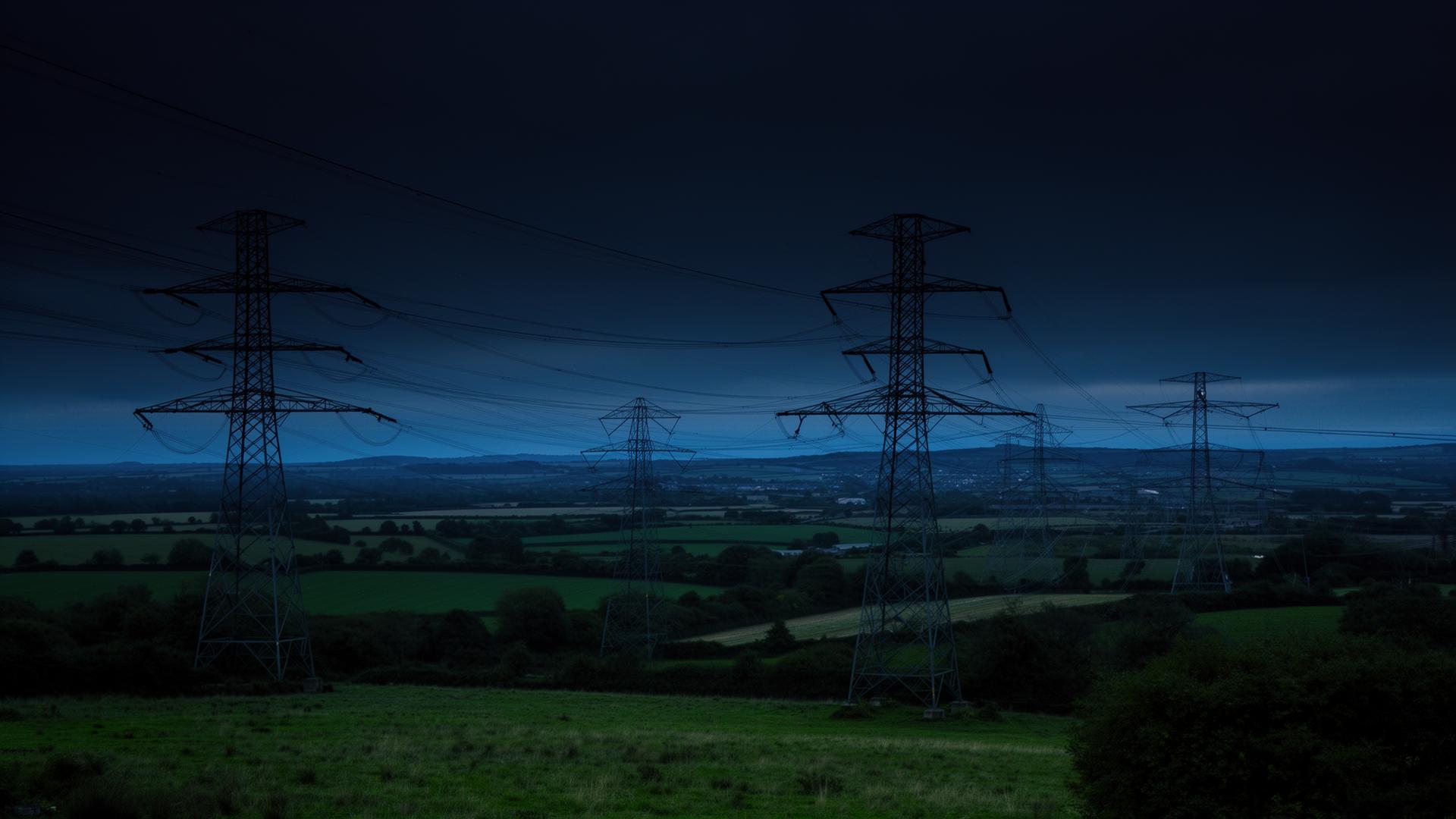
Independent analysis of the UK's best value energy suppliers for households in 2026 — covering tariffs, customer service, green energy, switching value and the July Ofgem price cap.
Read the report