Proposed London Datacentre: Net Zero Clash with 1m-Tonne Carbon Footprint
Executive summary
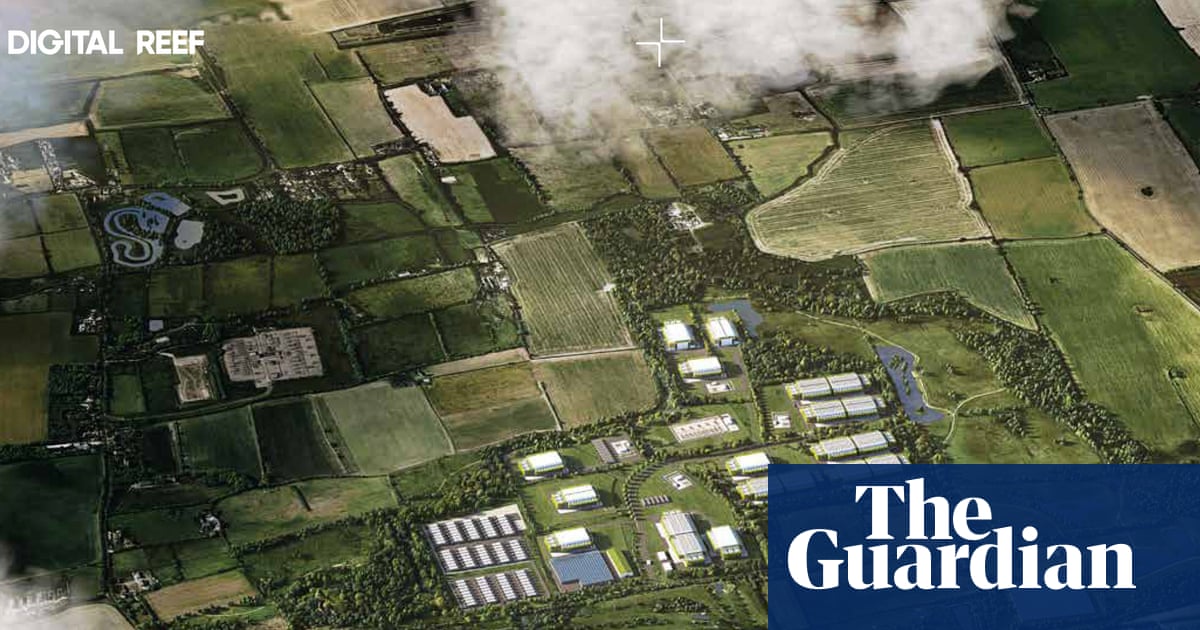
A proposed 'hyperscale' datacentre in outer London, the East Havering Data Centre Campus (EHDCC), is projected to generate over 1m tonnes of CO₂e annually, conflicting with net zero targets. If approved, it would be one of Europe's largest datacentres, consuming electricity equivalent to over 1m UK households.
Reporting based on theguardian.com
Why it matters
This development highlights the growing tension between the UK's ambition for AI infrastructure expansion and its legally binding climate targets. The significant electricity demand and carbon footprint of such a facility pose critical questions for the UK's energy system, grid capacity, and the feasibility of achieving decarbonisation goals whilst supporting tech growth.
Sector impact
Analysis by AI Energy Intelligence UK
The proposed EHDCC would consume an estimated 2.65bn kWh per year of electricity at 50% load, equivalent to the demand of over 1m UK households. This significant demand necessitates major upgrades to the National Grid connection via the nearby Warley substation, with the full connection anticipated by 2033.
The article reports that Britain's grid operator, Neso, has warned MPs that datacentre developers have requested 72.8GW of electricity connections by 2039. This represents nearly 60% more than the UK’s peak power demand last year, indicating a substantial challenge to energy security and supply reliability if not managed strategically.
The EHDCC project is valued at £14.7bn, showcasing substantial investment in AI and cloud computing infrastructure. However, the associated environmental and resource costs, along with the requirement for a cash in lieu contribution for carbon offset, suggest growing regulatory and societal pressures on developers to internalise environmental impacts.
The proposed datacentre's electricity consumption, equivalent to over 1m UK households, could place additional strain on the national grid. Foxglove's advocacy director, Donald Campbell, warned that it would be a 'big drain on important resources that are needed by homes and other businesses,' implying potential resource competition or cost implications for consumers.
Key statistics
Figures as reported by theguardian.com. See original source for context.
Quotations
"a unique opportunity to create a sustainable datacentre campus of the future"
"does not align with a science-based 1.5C compatible trajectory and achieving net zero by 2050"
"staggering"
"It’s a big threat to the ability to decarbonise in the UK"
"It’s also going to be a big drain on important resources that are needed by homes and other businesses"
"massacre"
"It’s crop-producing farmland, in an age when we are threatened by security, it’s the loss of wildlife habitats, and there’s the pollution cost, which everyone seems to brush under the carpet"
"critical national infrastructure"
"huge step change for the sector"
"The government needs to be taking concrete steps to make sure that the public and the environment aren’t left to carry the social environmental costs of the datacentres. These datacentres are ultimately going to be serving the wealthiest companies in the world – so they need to be required to carry that cost"
"any shortfall would be provided through a cash in lieu contribution to the borough’s carbon offset fund"
"That’s the only way of really ensuring that it’s not going to add to carbon emissions. They shouldn’t just plug into the grid and drain the power that everyone else needs"
"wrong"
Long-term implications
The EHDCC's projected operational emissions alone are expected to consume nearly 20 times Havering borough's entire carbon budget and almost 1% of the UK’s entire carbon budget by 2038. This raises fundamental questions about the long-term compatibility of rapid AI infrastructure growth with the UK's net zero commitments and whether current planning frameworks are adequate to address these challenges.
Frequently asked questions
What is the East Havering Data Centre Campus (EHDCC)?
The EHDCC is a proposed 'hyperscale' datacentre in North Ockendon, outer London, planned to be one of the largest in Europe. It aims to provide servers and data storage for AI and cloud computing.
What are its projected carbon emissions?
Once fully operational, the EHDCC is projected to generate 1.2m tonnes of carbon dioxide equivalent (CO₂e) annually, amounting to over 72m tonnes over its 60-year lifespan.
How much electricity would it consume?
At a 'likely' 50% load, the campus would consume 2.65bn kWh of electricity per year, equivalent to the demand of more than 1m UK households.
How does this impact the UK's net zero goals?
Digital Reef's planning application states the project 'does not align with a science-based 1.5C compatible trajectory and achieving net zero by 2050'. Operational emissions are projected to consume nearly 1% of the UK’s entire carbon budget by 2038.
What are the wider implications for the UK energy system?
The significant power demand for such datacentres contributes to Neso's warning that developers have requested 72.8GW of electricity connections by 2039, nearly 60% more than the UK's peak power demand last year, posing challenges for grid capacity and decarbonisation.
Explore related tools
Original source
This story summarises reporting from theguardian.com. Read the original for full context.
Read on theguardian.comRecommended reports
Independent UK research that expands on the themes in this story.

The environmental cost of AI-generated answers versus conventional search, benchmarked for UK decision-makers. An independent, evidence-based comparison of electricity, water and carbon per query across Google, Gemini, ChatGPT, Copilot, Perplexity and Claude — with forecasts to 2035.
Read the reportThe definitive UK view of AI's electricity, grid and infrastructure impact in 2026. An independent, evidence-based report on demand growth, data centre build-out, AI Growth Zones and the trajectory to 2035 — for UK policymakers, operators and investors.
Read the report
A structured briefing on how artificial intelligence infrastructure is reshaping Britain's power network — from substation bottlenecks to regional investment opportunities and long-term grid risk.
Read the reportGet the UK AI Energy briefing
Analysis on AI, electricity and the UK grid, straight to your inbox.
The measured evidence behind this story
Our reporting sits on top of the UK AI Energy Index — a sourced, dated record of AI and data-centre electricity demand, data-centre development and grid pressure.
View the full index