North Devon villagers revolt against vast AI datacentre in Unesco biosphere
Executive summary
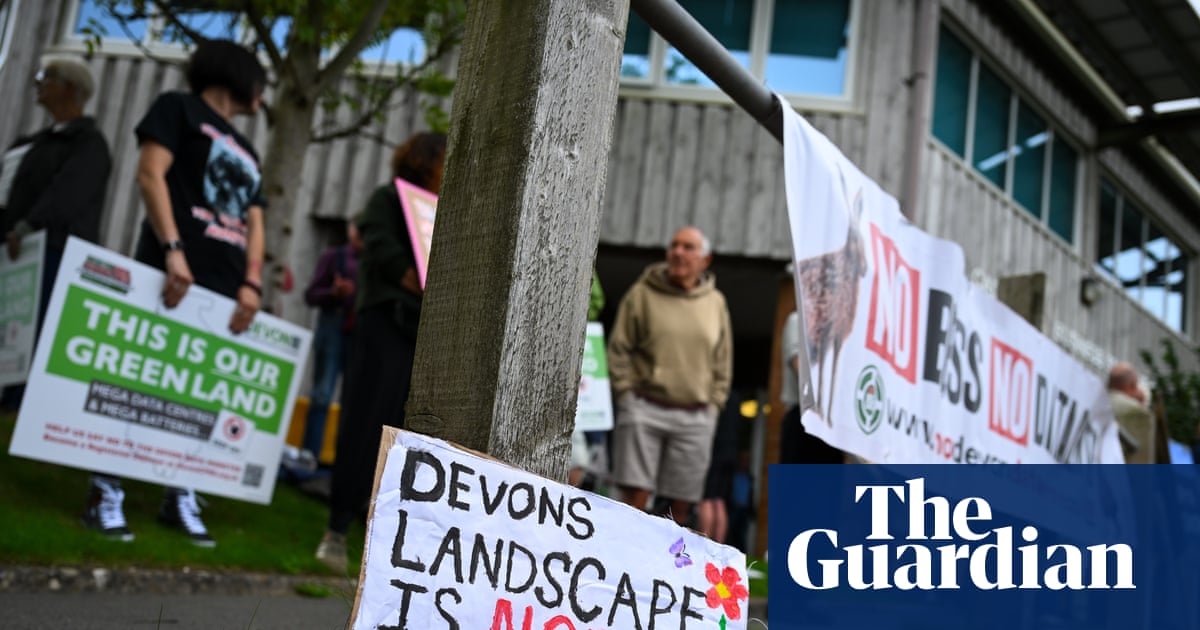
Plans for a 344-hectare hyperscale AI data campus and 1.8GW battery energy storage system (BESS) in North Devon's Unesco biosphere reserve have sparked significant local opposition. Residents are concerned about the scale of the development and the perceived lack of transparency from developers and local authorities.
Reporting based on theguardian.com
Why it matters
This case highlights the growing tension between the rapid expansion of AI infrastructure, particularly large-scale data centres, and local environmental and community concerns within the UK. The significant energy demands and land footprint of such facilities are becoming key considerations for UK energy policy and planning, especially when proposed for protected landscapes.
Sector impact
Analysis by AI Energy Intelligence UK
The proposed facility includes a 1.5GW AI datacentre, which would represent a substantial new load on the UK's electricity network. While the article does not detail the specific electricity source, the inclusion of a 1.8GW Battery Energy Storage System (BESS) suggests a planned integration with grid infrastructure, potentially for balancing intermittent renewable generation or managing peak demand from the datacentre.
The proposed 1.8GW battery energy storage system (BESS) could contribute to grid stability and energy security by providing flexible capacity. However, the datacentre's 1.5GW demand also represents a significant new load, which would need to be securely provisioned, potentially increasing overall demand on the UK's energy system.
The development by Xlinks indicates significant investment in UK AI infrastructure. However, the local backlash and perceived lack of transparency could create reputational risks and challenges for businesses proposing large-scale infrastructure projects, potentially influencing future site selection and community engagement strategies across the UK.
The article does not directly address the impact on UK energy consumers. However, the potential for increased electricity demand from such a large AI datacentre could, in general terms, contribute to upward pressure on energy prices, though the BESS component might offer some balancing benefits.
Key statistics
Figures as reported by theguardian.com. See original source for context.
Quotations
"We’re fighting the largest companies that have ever existed in the world, and that is scary but we are all fighting this together."
"This is a global issue; we are all connected. People across the world are standing up and fighting back."
"How can the largest and most costly infrastructure proposal in the nation be conducted almost exclusively in secret?"
Long-term implications
The North Devon case foreshadows potential conflicts across the UK as the demand for AI infrastructure grows, particularly in areas with environmental protections or strong community identities. It suggests a need for more transparent planning processes and clearer national guidance on the siting and energy provisioning of hyperscale data centres to manage local opposition and ensure sustainable development.
Frequently asked questions
What is being proposed in North Devon?
A 1.5GW AI datacentre campus and a 1.8GW battery energy storage system (BESS) are proposed by Xlinks on 344 hectares (850 acres) of land within a Unesco biosphere reserve near Great Torrington.
Why are local residents opposed to the project?
Residents are concerned about the scale of the development in a protected landscape, potential environmental impacts, and a perceived lack of transparency regarding early discussions between the developer and council officials.
What is the expected size of the datacentre buildings?
The facility would include five buildings ranging from 50 to 130 feet in height. Two of the largest buildings would have a ground footprint of approximately 9 hectares (22 acres) each, measuring 335m by 267m.
Who is the company behind the proposal?
The company proposing the development is Xlinks.
Explore related tools
Original source
This story summarises reporting from theguardian.com. Read the original for full context.
Read on theguardian.comRecommended reports
Independent UK research that expands on the themes in this story.

The environmental cost of AI-generated answers versus conventional search, benchmarked for UK decision-makers. An independent, evidence-based comparison of electricity, water and carbon per query across Google, Gemini, ChatGPT, Copilot, Perplexity and Claude — with forecasts to 2035.
Read the reportThe definitive UK view of AI's electricity, grid and infrastructure impact in 2026. An independent, evidence-based report on demand growth, data centre build-out, AI Growth Zones and the trajectory to 2035 — for UK policymakers, operators and investors.
Read the report
A structured briefing on how artificial intelligence infrastructure is reshaping Britain's power network — from substation bottlenecks to regional investment opportunities and long-term grid risk.
Read the reportGet the UK AI Energy briefing
Analysis on AI, electricity and the UK grid, straight to your inbox.
Evidence behind this story
Our reporting sits on top of the UK AI Energy Index and Data Centre Tracker — a sourced, dated record of AI and data-centre electricity demand, data-centre development and grid pressure.