Scotland: Lanarkshire's AI Ambition Drives New Data Centre, Prompts Regulatory Shift
Executive summary
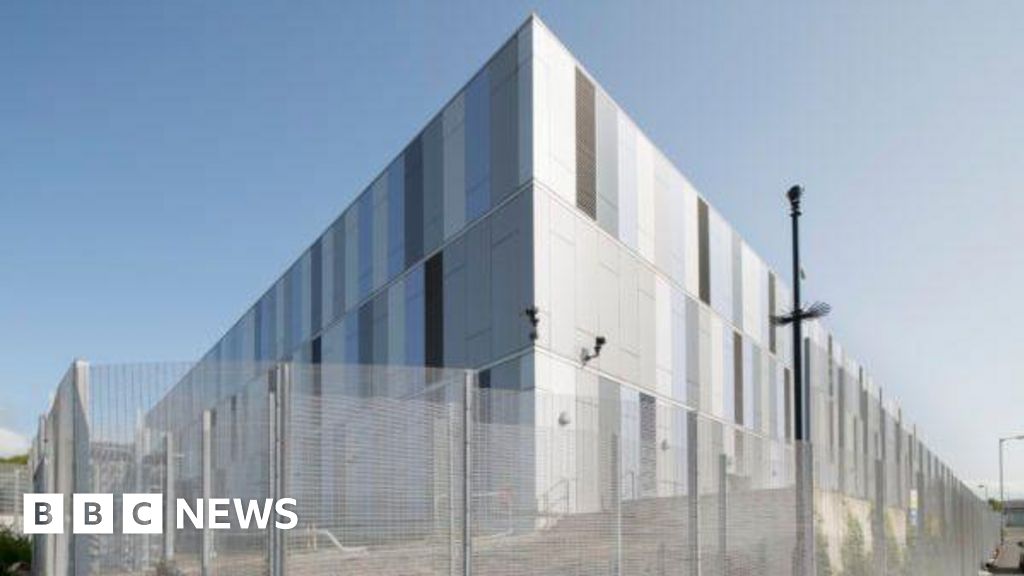
A second data centre is planned for North Lanarkshire, bolstering the region's ambition to become an AI 'growth zone' with significant investment and job creation. This expansion coincides with new Scottish government regulations requiring ministerial notification for large data centre planning applications (over 50MW).
Reporting based on bbc.co.uk
Why it matters
This development is crucial for the UK's AI infrastructure, as it signifies a concentrated effort to establish a major AI hub within Scotland. The concurrent tightening of planning regulations highlights a growing awareness of the energy demands of large-scale AI infrastructure and the need for strategic oversight, impacting future data centre developments across the UK.
Sector impact
Analysis by AI Energy Intelligence UK
The planned second data centre, alongside existing facilities, contributes to increased electricity demand in Scotland, especially given the region's push to become a technology hub. While the new regulatory threshold of 50MW for ministerial notification is intended to monitor significant power consumers, it suggests that smaller, cumulative developments will still add to grid load without direct central government oversight.
The article reports that Scotland is considered an 'ideal location for data centres due to plentiful renewable energy to power them.' This implies a strategic alignment between data centre development and the availability of green energy sources, which could enhance energy security by integrating high-demand facilities with robust, sustainable generation. However, the cumulative demand from multiple centres, even if individually below the 50MW threshold, could still pose challenges to local grid balancing.
The development signals substantial business investment in Scotland's tech sector, with DataVita planning £300m of further development and Dell Technologies basing its Scottish team at the Lanarkshire AI Innovation Park. This aims to create over 3,400 jobs and foster skills in tech, positioning the region as a significant player in AI and cloud computing within the UK.
The article mentions local community concerns regarding noise, construction damage, and the energy and water consumption of data centres. While the new planning regulations aim to balance economic gains with community impact, consumers in affected areas may experience local environmental and infrastructural pressures due to these developments, even as the wider economy benefits from tech growth.
Key statistics
Figures as reported by bbc.co.uk. See original source for context.
Quotations
"This type of investment in Scotland's data centre infrastructure would have been unthinkable just two or three years ago. That is the impact AI is having. Scotland has all the right ingredients to take advantage of the AI revolution and make it a core part of its economy."
"the economic and employment interests in developing data centres"
"the potential impact on local communities"
"strategic monitoring"
"The Scottish government's AI Strategy sets out a clear plan to harness the economic and social benefits of AI to help ensure we translate our innovation and expertise into more businesses, jobs and investment. We will continue to work closely with DataVita and growth zone partners to realise the full economic and employment opportunities of this investment over the coming years."
"growing community"
"strengthen relationships"
"Today's announcements matter - they will help ensure Scotland is at the forefront of one of the biggest economic opportunities of our time, bringing investment, reindustrialisation and opportunities to communities like Lanarkshire."
Long-term implications
The long-term implications include Scotland potentially becoming a leading AI hub, attracting significant investment and fostering job creation in the technology sector. The new regulatory framework for data centres exceeding 50MW indicates a proactive approach by the Scottish government to manage the infrastructural demands of this growth, particularly concerning energy and local impact, which could influence future UK-wide AI infrastructure planning.
Frequently asked questions
What is being planned in Lanarkshire?
A second data centre is planned for North Lanarkshire by DataVita, expanding their current site in Airdrie as part of a drive to make the region an artificial intelligence 'growth zone'.
What new regulations are being introduced for data centres?
The Scottish government has tightened regulations, requiring planning authorities to notify Scottish ministers within seven days of validating new data centre applications if they exceed 50 megawatts (MW) in power capacity.
Why is Scotland considered suitable for data centres?
Scotland is considered an ideal location for data centres due to plentiful renewable energy sources available to power them.
How much investment is expected?
DataVita has announced £300m of further development, and the UK government previously claimed the AI growth zone could bring more than £8bn in private investment.
Explore related tools
Original source
This story summarises reporting from bbc.co.uk. Read the original for full context.
Read on bbc.co.ukRecommended reports
Independent UK research that expands on the themes in this story.

The environmental cost of AI-generated answers versus conventional search, benchmarked for UK decision-makers. An independent, evidence-based comparison of electricity, water and carbon per query across Google, Gemini, ChatGPT, Copilot, Perplexity and Claude — with forecasts to 2035.
Read the reportThe definitive UK view of AI's electricity, grid and infrastructure impact in 2026. An independent, evidence-based report on demand growth, data centre build-out, AI Growth Zones and the trajectory to 2035 — for UK policymakers, operators and investors.
Read the report
A structured briefing on how artificial intelligence infrastructure is reshaping Britain's power network — from substation bottlenecks to regional investment opportunities and long-term grid risk.
Read the reportGet the UK AI Energy briefing
Analysis on AI, electricity and the UK grid, straight to your inbox.
The measured evidence behind this story
Our reporting sits on top of the UK AI Energy Index — a sourced, dated record of AI and data-centre electricity demand, data-centre development and grid pressure.
View the full index