Microsoft's AI expansion faces chip and power hurdles, raising UK energy questions
Executive summary
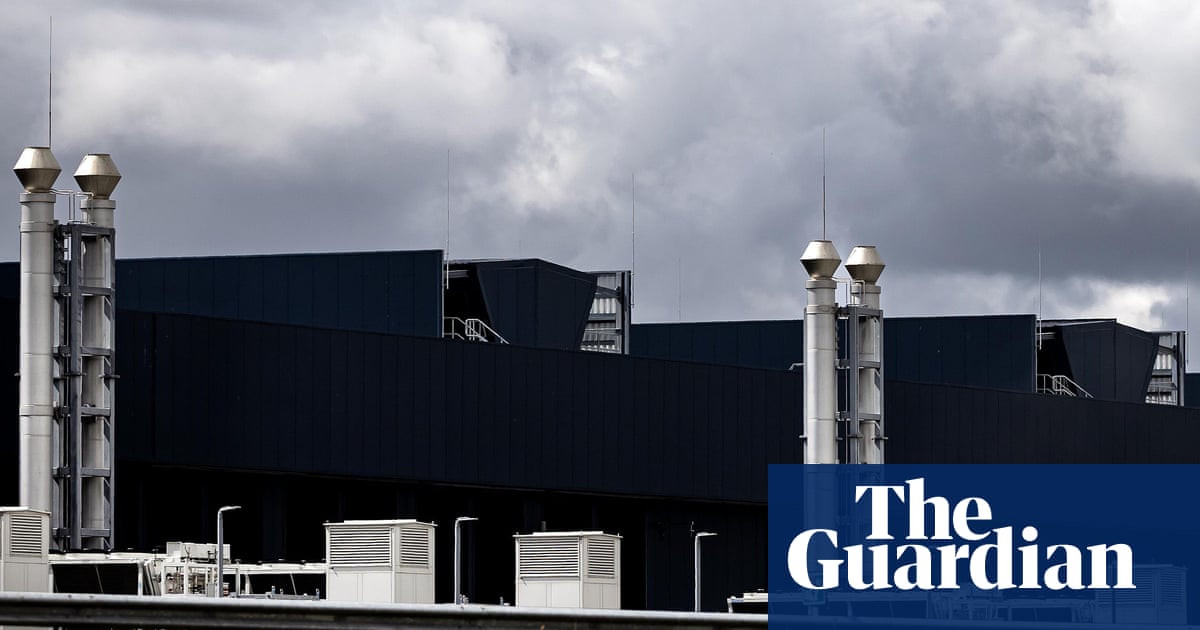
A Guardian investigation suggests a significant discrepancy between Microsoft's stated AI capacity and its operational chip count. The tech giant's rapid datacentre expansion appears hampered by challenges in bringing new facilities online and securing sufficient electrical power to utilise advanced AI chips.
Reporting based on theguardian.com
Why it matters
This report underscores the critical infrastructure challenges faced by global tech giants in scaling AI, which has direct implications for the UK. As the UK aims to be a leader in AI, understanding these bottlenecks, particularly around power availability and datacentre readiness, is crucial for informing national energy policy and ensuring grid stability amidst escalating AI-driven electricity demand.
Sector impact
Analysis by AI Energy Intelligence UK
Microsoft's reported struggle to bring datacentre capacity online due to electrical power constraints highlights the immense and rapidly growing demand for energy by AI infrastructure. Even a single company's ambitions, such as Microsoft's target of 10GW of capacity, dwarf existing energy infrastructure, indicating significant future pressure on electricity grids, including in the UK, as AI deployment accelerates.
The article implicitly touches on energy security by detailing the challenge of finding sufficient and reliable power sources for large-scale AI datacentres. Satya Nadella's comment about power being a bigger problem than chip supply, leading to 'chips sitting in inventory that I can't plug in', points to a global energy infrastructure bottleneck that could impact where and how AI capacity can be built, potentially influencing energy supply resilience if not adequately addressed.
The reported disparity in Microsoft's operational AI capacity, particularly regarding advanced chips and fully functional datacentres, suggests potential inefficiencies or slower-than-projected returns on its substantial $280bn investment. This situation could affect its competitive standing in the 'global AI arms race' and serve as a cautionary tale for other businesses, including those in the UK, looking to rapidly scale AI infrastructure.
While not directly stated, any delays in deploying advanced AI infrastructure could indirectly impact UK consumers by slowing the rollout of AI-powered services or making them more expensive due to higher operational costs or resource scarcity, especially if the 'AI arms race' leads to higher prices for limited compute resources.
Key statistics
Figures as reported by theguardian.com. See original source for context.
Quotations
"According to their own metrics, Microsoft could be correct. But it isn’t clear what they mean when they say they have added datacentre capacity. They are giving insufficient context."
"The sustainability reports are audited by a third party. They have more credibility than announcements."
"They’re low to me. They’re less than I expected Microsoft would have."
"It may be plausible to secure or announce 1GW of power capacity within a single quarter on paper. But bringing that capacity online and actually using it for computing within the same quarter would be far more difficult."
"If you can’t do that, you may actually have a bunch of chips sitting in inventory that I can’t plug in. In fact, that is my problem today. It’s not a supply issue of chips. It’s actually the fact that I don’t have warm shells to plug into."
"Over several decades, Microsoft has built a global infrastructure to meet rapidly growing customer demand for cloud and AI services. Our datacentres combine custom silicon, AMD, Intel and Nvidia chips across multiple generations with the networking, storage and systems infrastructure required to operate at scale."
"Microsoft does not report on the volume of specific chips in its AI infrastructure. The estimates the Guardian has shared with us are inaccurate, drawing the wrong conclusions from incorrect assumptions."
Long-term implications
The challenges faced by a major player like Microsoft in deploying AI infrastructure, particularly concerning power availability and fully operational datacentres, signal a profound long-term bottleneck for the global AI industry. This suggests that the energy sector, including in the UK, must brace for sustained, significant investment and innovation to meet future AI demands, potentially reshaping energy generation and distribution strategies over the coming decades.
Frequently asked questions
What is the main issue highlighted regarding Microsoft's AI plans?
The article reports an apparent discrepancy between Microsoft's stated AI capacity and the actual number of advanced AI chips it has in operation, suggesting its datacentre expansion is proceeding slower than public statements indicate due to challenges in bringing facilities online and securing sufficient electrical power.
How much AI capacity has Microsoft reportedly added in the last two years?
Microsoft's own reports suggest it has added 5GW of datacentre capacity over the past two years as part of its AI build-out, though internal presentations from 2024 claimed 5GW was already installed, potentially indicating a current total of 10GW.
Are 'chip shortages' the primary problem for Microsoft's AI expansion?
Microsoft CEO Satya Nadella indicated that the biggest problem is not a supply issue of chips, but rather the availability of electrical power and 'warm shells to plug into', suggesting power infrastructure and datacentre readiness are the main bottlenecks.
Explore related tools
Original source
This story summarises reporting from theguardian.com. Read the original for full context.
Read on theguardian.comRecommended reports
Independent UK research that expands on the themes in this story.
The environmental cost of AI-generated answers versus conventional search, benchmarked for UK decision-makers. An independent, evidence-based comparison of electricity, water and carbon per query across Google, Gemini, ChatGPT, Copilot, Perplexity and Claude — with forecasts to 2035.
Read the reportThe definitive UK view of AI's electricity, grid and infrastructure impact in 2026. An independent, evidence-based report on demand growth, data centre build-out, AI Growth Zones and the trajectory to 2035 — for UK policymakers, operators and investors.
Read the report
A structured briefing on how artificial intelligence infrastructure is reshaping Britain's power network — from substation bottlenecks to regional investment opportunities and long-term grid risk.
Read the reportGet the UK AI Energy briefing
Analysis on AI, electricity and the UK grid, straight to your inbox.
The measured evidence behind this story
Our reporting sits on top of the UK AI Energy Index — a sourced, dated record of AI and data-centre electricity demand, data-centre development and grid pressure.
View the full index