Will AI Data Centres Change House Prices in the UK?
AI data centres are reshaping Britain's infrastructure landscape. Explore how they could raise — or lower — UK house prices between 2026 and 2035.
This article predates our current evidence standard and has not yet completed source review. Figures should be treated with caution until it has. Editorial standards
Artificial Intelligence is creating one of the largest infrastructure investment waves Britain has seen for decades.
Huge AI data centres are being planned across the UK to support cloud computing, machine learning, AI services, government systems and business applications. Companies including Microsoft, Google, Amazon Web Services and Oracle continue investing billions globally in AI infrastructure.
The obvious question for homeowners is simple:
Will these developments increase or decrease local house prices?
The answer is more complicated than many people expect.
Some areas may see significant price growth due to jobs and investment. Others could experience resistance from buyers concerned about visual impact, traffic, energy demand and environmental concerns.
Much depends on location, scale and how well the development integrates with the surrounding community.
Why Data Centres Are Expanding So Rapidly
AI Requires Massive Computing Power
Traditional data centres already consume substantial electricity.
AI systems require considerably more.
Training advanced AI models can involve thousands of specialist processors operating continuously for weeks or months.
Research from the International Energy Agency suggests global electricity demand from data centres could rise substantially over the next decade as AI adoption accelerates.
The UK is positioning itself as a major AI economy, meaning additional data centre construction is likely throughout England, Scotland and Wales.
This trend is explored further in the article “AI Energy Usage in the UK by 2030”.
Which UK Areas Could Be Most Affected?
The New Data Centre Hotspots
Historically, data centres concentrated around London because of internet connectivity.
Today developers are looking elsewhere.
Areas frequently discussed for future expansion include:
West London
Slough
Berkshire
Buckinghamshire
Hertfordshire
Greater Manchester
Leeds
Birmingham
South Wales
Scotland’s central belt
These locations offer combinations of:
Grid connections
Fibre infrastructure
Available land
Skilled workers
Proximity to major cities
House prices in these regions could react differently depending on local circumstances.
How Data Centres Could Increase House Prices
Higher Employment Levels
The strongest positive effect usually comes from employment.
Large developments create:
Construction jobs
Engineering jobs
Security roles
IT support positions
Maintenance contracts
Local supply chain opportunities
Even highly automated facilities require ongoing staffing.
When higher-paid workers move into an area, housing demand often increases.
This pattern has already been observed around major technology hubs worldwide.
Infrastructure Improvements
Major investments often bring:
Road upgrades
Better fibre broadband
Electrical infrastructure improvements
New business parks
Commercial development
These improvements can make locations more attractive to homebuyers.
Increased Business Investment
A major data centre can attract additional technology businesses.
Technology clusters often create a multiplier effect where suppliers, contractors and service firms establish local operations nearby.
This can support long-term property demand.
Regeneration Benefits
In some areas, data centres are built on former industrial or brownfield land.
Transforming underused sites can improve perceptions of a local area and encourage broader regeneration.
This effect has been observed in several former industrial districts across Britain.
Download the AI Data Centres & the UK Electricity Grid Report for a structured briefing on how artificial intelligence infrastructure is reshaping Britain’s power network.
How Data Centres Could Reduce House Prices
Visual Impact
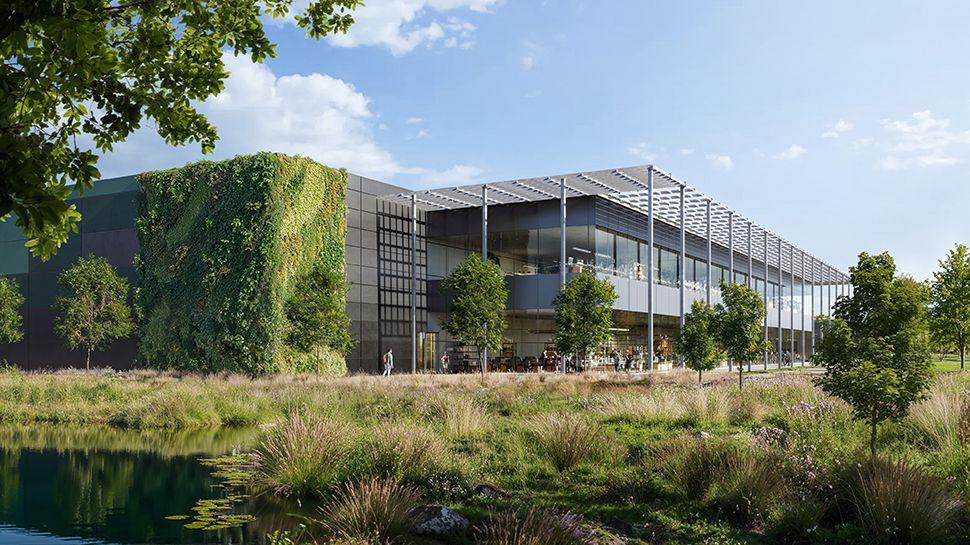
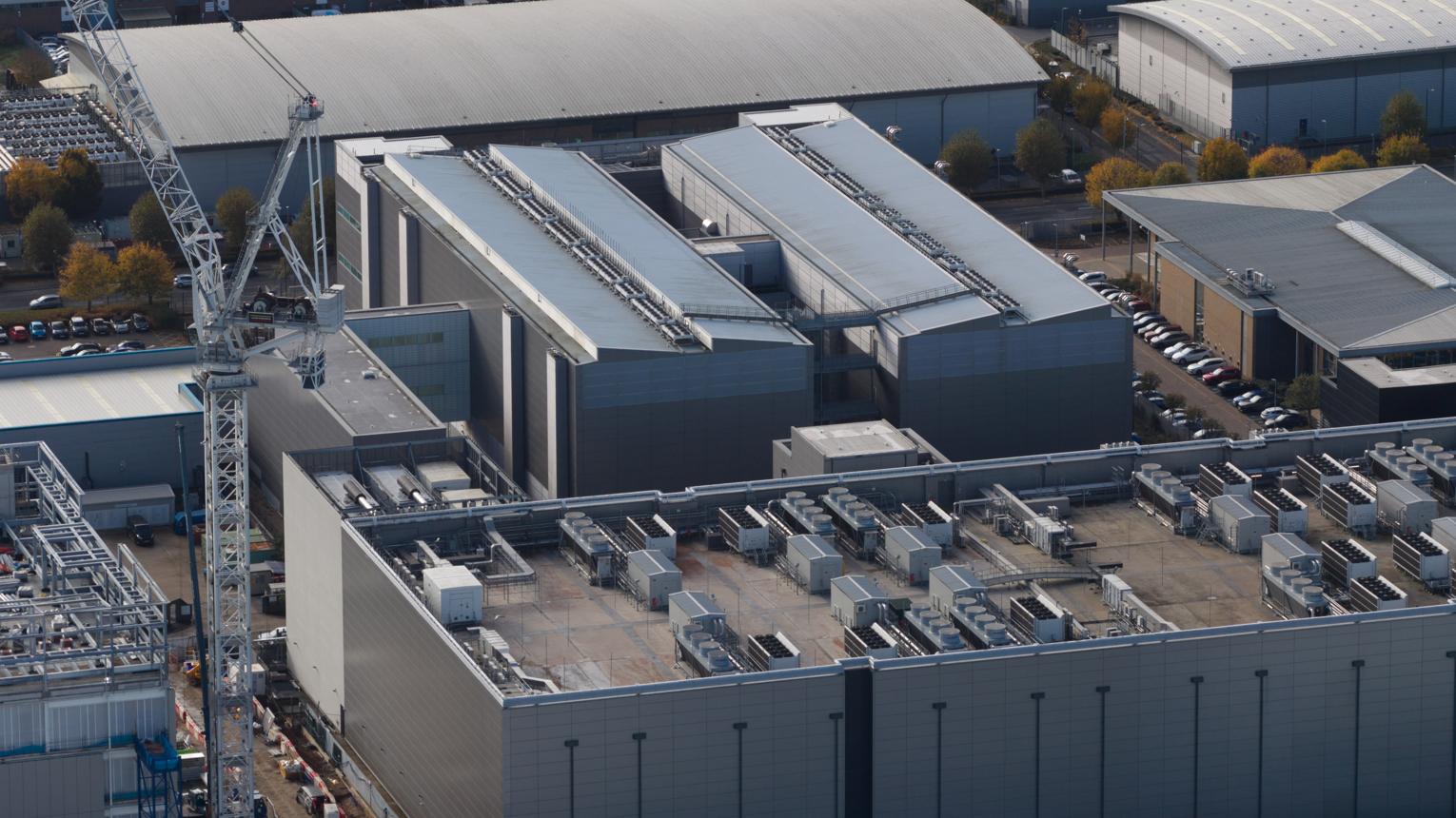
Not everyone dreams of living beside a warehouse-sized computing facility.
Data centres often resemble large industrial buildings.
Although modern designs are improving, some residents may object to:
Building size
Security fencing
Backup infrastructure
Lighting systems
Industrial appearance
Properties closest to these developments may experience weaker demand.
See our AI Data Centre Electricity Calculator – Estimate the annual electricity consumption, energy costs and carbon impact of an AI data centre based on server count, utilisation and operating assumptions. An educational planning tool for businesses, researchers, journalists and policy analysts.
Construction Disruption
Building a major data centre can take years.
Residents may face:
Heavy vehicles
Construction noise
Temporary road congestion
Dust and disruption
Short-term property demand can sometimes weaken during major construction periods.
Energy Supply Concerns
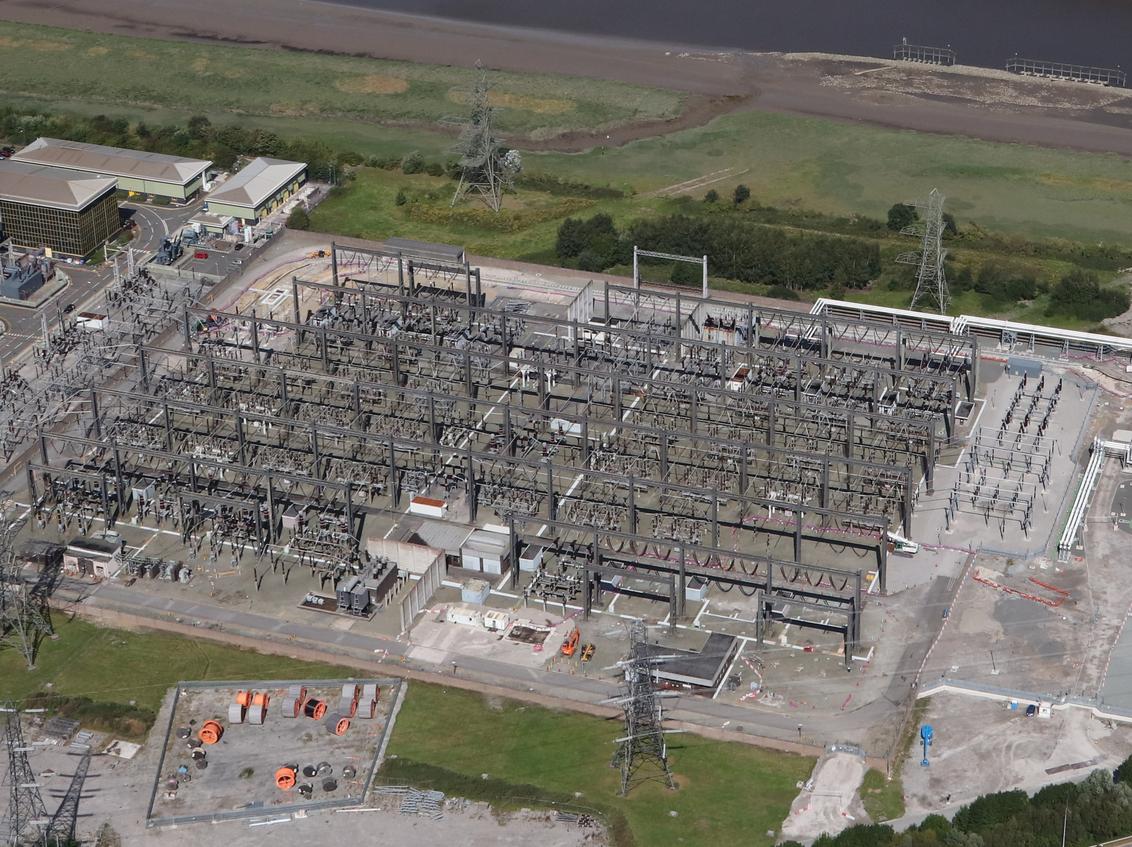
One issue receiving increasing attention is electricity demand.
Some proposed AI facilities may consume hundreds of megawatts of power.
Residents often ask:
Will local electricity supplies remain reliable?
Will infrastructure upgrades be required?
Could energy costs increase?
While developers fund many upgrades themselves, public concerns can influence local housing sentiment.
This links closely to “What Happens If AI Outgrows the Power Grid?”
Environmental Concerns
Some buyers may worry about:
Energy consumption
Carbon emissions
Water use
Noise from cooling equipment
Modern facilities are becoming more efficient, but environmental concerns remain a factor in planning decisions.
The issue is explored further in “How Much Water Does AI Use?”
What Has Happened Internationally?
Northern Virginia
The world’s largest concentration of data centres is located in Northern Virginia in the United States.
Some communities have benefited enormously from:
Increased tax revenues
Better infrastructure
Employment opportunities
However, residents have also raised concerns about:
Visual impact
Noise
Land use changes
Pressure on electricity infrastructure
Property effects have varied significantly depending on proximity.
Homes near attractive regenerated districts often performed well.
Properties directly bordering industrial-scale developments sometimes experienced weaker demand.
Dublin
Dublin has become a major European data centre hub.
Strong technology investment helped drive economic growth.
However, debates emerged regarding:
Electricity demand
Grid capacity
Housing pressures
Land availability
These examples demonstrate that data centres can create both winners and losers within the same region.
Could AI Data Centres Create New UK Property Hotspots?
Possibly Yes
Some analysts believe future AI investment zones could become the technology equivalents of previous business parks or science corridors.
Areas that secure:
Large AI investments
Improved connectivity
Skilled workforces
Renewable energy projects
could attract significant economic activity.
This may support housing demand over the long term.
The impact could be particularly noticeable in areas where property prices remain relatively affordable compared with London.
What Does This Mean for Homeowners?
If You Live Near a Proposed Site
The key factors to monitor are:
Distance from the development
Size of the facility
Employment opportunities
Infrastructure improvements
Planning conditions
Environmental mitigation measures
Properties a few miles away may benefit from economic growth while avoiding most disadvantages.
Properties immediately adjacent to large industrial developments may experience mixed outcomes.
If You Are Buying Property
Research:
Local planning applications
National Grid expansion plans
Data centre proposals
Local authority development strategies
Future AI infrastructure could become as important to local housing markets as railway projects, motorway upgrades or major business parks.
The Bigger Picture
AI Could Reshape Entire Communities
Most people currently think about AI as software.
The reality is that AI increasingly requires physical infrastructure.
Data centres, substations, renewable energy projects and transmission upgrades are becoming part of the UK’s economic landscape.
Some communities may become technology growth centres.
Others may face difficult planning debates about balancing economic benefits against environmental and social impacts.
Much like railways transformed Victorian Britain, AI infrastructure could reshape local property markets over the next decade.
The Importance of Distance
Distance is usually the biggest factor.
Very Close: 0–500 Metres
Properties immediately adjacent to a major facility may experience:
Greater visual impact
More noise concerns
Increased traffic
These homes face the greatest risk of slower price growth.
Nearby: 500 Metres–2 Kilometres
This zone often experiences mixed effects.
Residents may benefit from:
Better infrastructure
Improved connectivity
Economic growth
They may receive these benefits without suffering the worst impacts.
Wider Area: More Than 2 Kilometres
Further away, positive economic effects can outweigh the negatives.
Many buyers may barely notice the data centre’s existence.
Could Data Centres Make Housing Shortages Worse?
Ironically, yes.
One emerging issue is competition for electricity infrastructure.
Reports have highlighted areas of London where electricity network constraints, linked partly to growing data centre demand, have delayed housing development and new grid connections.
If housing supply becomes constrained while local employment grows, property prices could rise.
This means some homeowners could benefit financially while prospective buyers face even higher housing costs. The housing market has always excelled at finding new ways to annoy everyone simultaneously.
Download the AI Data Centres & the UK Electricity Grid Report for a structured briefing on how artificial intelligence infrastructure is reshaping Britain’s power network.
What Happens in Rural Areas?
Rural communities often react differently.
Common concerns include:
Loss of farmland
Increased industrialisation
Landscape changes
Water consumption
Electricity demand
Opposition to AI data centres has grown internationally because residents worry about environmental impacts and changes to their quality of life.
In some rural locations, these concerns may suppress local property demand.
Could AI Data Centres Lower Council Tax or Local Taxes?
Potentially.
Large facilities can generate substantial business rate and tax revenues.
Some overseas communities have become heavily reliant on data centre tax income, helping to fund local services and infrastructure.
Improved local finances can make an area more attractive to residents and investors.
Conclusion
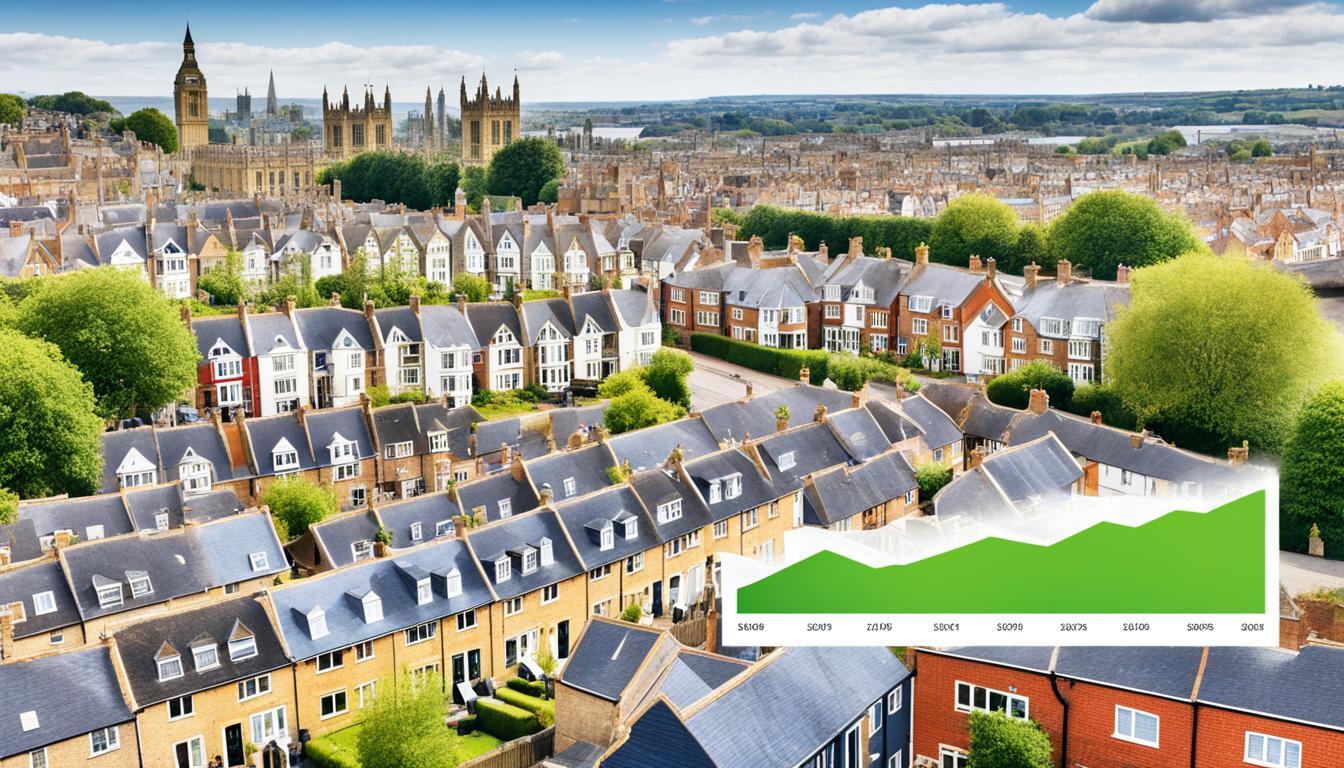
AI data centres are unlikely to create a simple nationwide rise or fall in UK house prices.
Instead, they will create localised winners and losers.
Areas benefiting from jobs, regeneration, improved infrastructure and technology investment could see stronger housing demand.
Areas directly affected by industrial-scale developments, visual impacts or environmental concerns may face downward pressure on nearby property values.
For homeowners, the most important factor is location.
A data centre ten miles away may boost an area’s economy.
A data centre next door may be viewed very differently.
As AI investment accelerates across Britain between 2026 and 2035, property markets will increasingly reflect a reality that many people have not yet considered:
The future value of your home may depend partly on where the nation’s AI infrastructure gets built.
References and Research
International Energy Agency – Data Centres and AI Energy Reports
National Grid – Future Energy Scenarios
Department for Science, Innovation and Technology – AI Infrastructure Policy
Ofgem – Network Investment Publications
Royal Institution of Chartered Surveyors – Property Market Research
Savills – UK Technology and Property Reports
Knight Frank – Data Centre Market Analysis

Spotted an error? Request a correction.
Try the numbers yourself
Related calculators
Free interactive tools from AI Energy Intelligence UK — no signup required.
AI Data Centre Electricity Calculator
Size the MW load, annual GWh and grid impact of a UK AI data centre.
Open calculatorData Centre Demand Calculator
Forecast regional AI data centre demand and connection queue impact.
Open calculatorAI Electricity Cost Calculator
Estimate the electricity bill for running or training AI workloads in the UK.
Open calculatorThe measured evidence behind this story
Our reporting sits on top of the UK AI Energy Index — a sourced, dated record of AI and data-centre electricity demand, data-centre development and grid pressure.
View the full index