UK Energy Price Cap Rises: £60 Increase to Hit Households This Autumn

Executive summary
Ofgem's latest energy price cap sees typical annual energy bills rise by £60 to £1,723 from October, affecting millions in England, Scotland, and Wales. This increase is primarily driven by higher wholesale gas costs, with further significant rises forecast for the coming winter.
Reporting based on bbc.com
Why it matters
For UK AI infrastructure, rising energy costs present a direct challenge to operational expenses, particularly for energy-intensive data centres. The underlying drivers of these price changes, such as wholesale gas costs and infrastructure investment, indicate a volatile energy market and underscore the long-term importance of stable, affordable electricity supply for continued AI sector growth and competitiveness.
Sector impact
Analysis by AI Energy Intelligence UK
The article states that the cost of maintaining and strengthening energy network infrastructure, including power lines and cables, is rising, with a £28bn investment approved to improve the electricity and gas grids. This investment aims to strengthen energy supplies and reduce dependence on gas, which could indirectly support increased electricity demand from sectors like AI by enhancing grid resilience and capacity.
The primary driver for the October price cap increase is higher wholesale gas costs, which have been influenced by geopolitical events. This highlights the UK's ongoing vulnerability to international gas market fluctuations. However, significant investment in grid infrastructure is underway, partly to reduce Britain's dependence on gas and strengthen energy supplies, which signals a long-term strategic effort towards greater energy security.
Businesses operating data centres or other energy-intensive AI infrastructure will face higher energy costs due to the increased price cap, impacting operational budgets. The article also mentions a long-term investment in grid infrastructure, partly funded by an additional £108 on bills by 2031, which will contribute to overall energy costs for businesses over time, though it aims to provide a more robust and less gas-dependent supply.
Millions of households in England, Scotland, and Wales face an increase of £60 in their typical annual energy bills, reaching £1,723 from October. Most of this increase is due to an 8% rise in gas prices, with further significant rises forecast for the winter. Consumers will also contribute to grid infrastructure upgrades, adding approximately £6 a month to bills from April 2026.
Key statistics
Figures as reported by bbc.com. See original source for context.
Quotations
"The price rise for October to December was technically 3.6%, Ofgem always rounds the number which is why it publicised the 4% figure."
Long-term implications
The UK energy landscape faces continued volatility driven by wholesale gas prices and geopolitical factors, suggesting ongoing cost pressures. However, substantial long-term investment in electricity and gas grid infrastructure, partially funded by consumer bills, aims to enhance energy security, reduce gas dependence, and strengthen supply reliability for future demand, including from the AI sector.
Frequently asked questions
What is the new typical annual energy bill?
The new typical annual energy bill for England, Scotland, and Wales will be £1,723 from October.
Why are energy bills rising?
Energy bills are rising primarily due to higher wholesale gas costs, which have been pushed up by geopolitical events.
What is happening with standing charges?
Average standing charges for direct debit customers from October to December 2026 will be 54.83p a day for electricity and 29.68p a day for gas. The electricity charge is slightly lower than the previous period, while the gas charge is largely unchanged.
How will grid infrastructure investment affect bills?
A £28bn investment to improve the electricity and gas grids, aimed at strengthening supplies and reducing gas dependence, will add approximately £108 to energy bills by 2031, starting with around £6 a month from April 2026.
Explore related tools
Original source
This story summarises reporting from bbc.com. Read the original for full context.
Read on bbc.comRecommended reports
Independent UK research that expands on the themes in this story.

The environmental cost of AI-generated answers versus conventional search, benchmarked for UK decision-makers. An independent, evidence-based comparison of electricity, water and carbon per query across Google, Gemini, ChatGPT, Copilot, Perplexity and Claude — with forecasts to 2035.
Read the reportThe definitive UK view of AI's electricity, grid and infrastructure impact in 2026. An independent, evidence-based report on demand growth, data centre build-out, AI Growth Zones and the trajectory to 2035 — for UK policymakers, operators and investors.
Read the report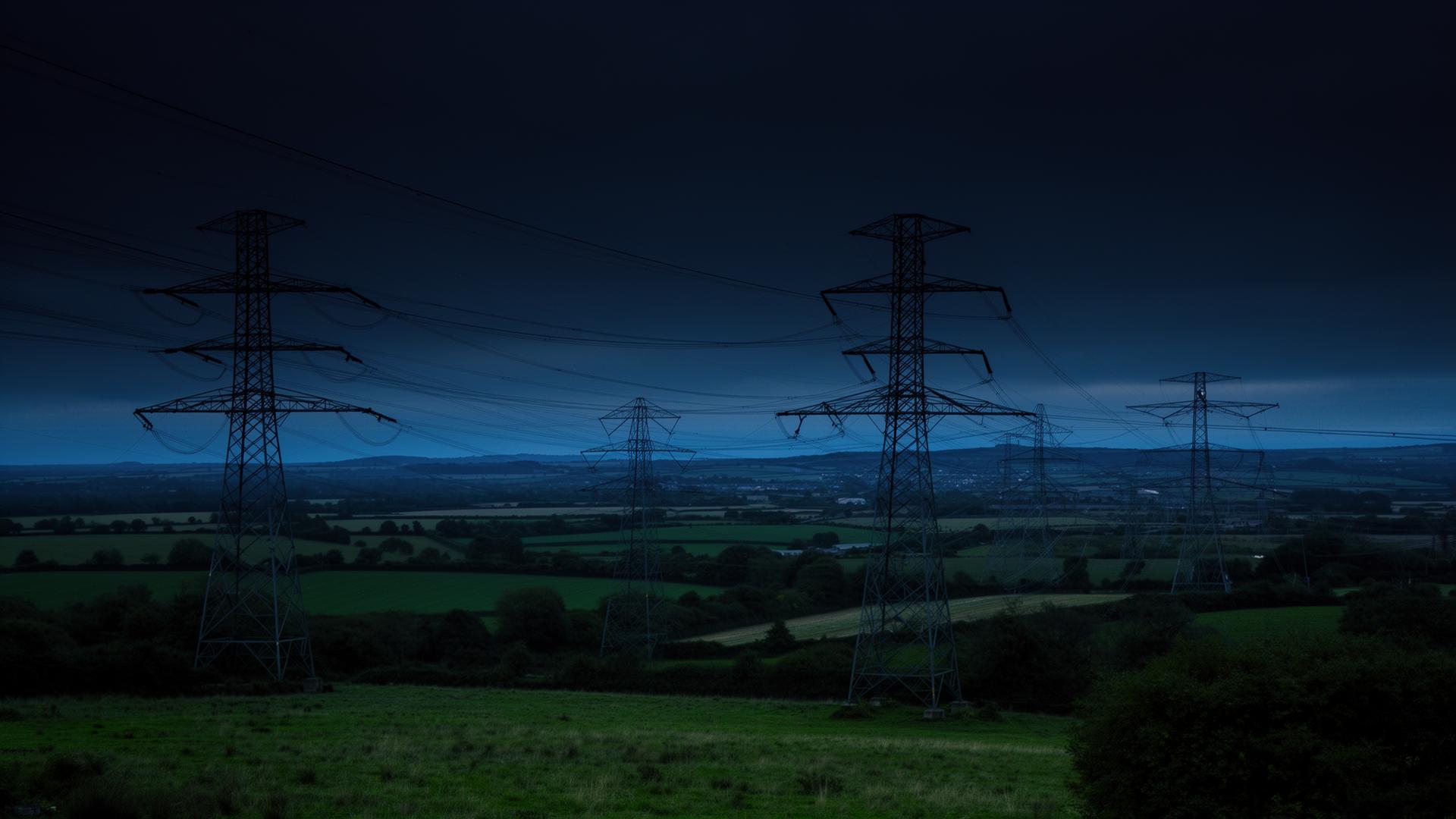
Independent analysis of the UK's best value energy suppliers for households in 2026 — covering tariffs, customer service, green energy, switching value and the July Ofgem price cap.
Read the reportGet the UK AI Energy briefing
Analysis on AI, electricity and the UK grid, straight to your inbox.
Evidence behind this story
Our reporting sits on top of the UK AI Energy Index and Data Centre Tracker — a sourced, dated record of AI and data-centre electricity demand, data-centre development and grid pressure.