UK Energy Bills Soar: Experts Demand Systemic Reform Amidst Soaring Prices
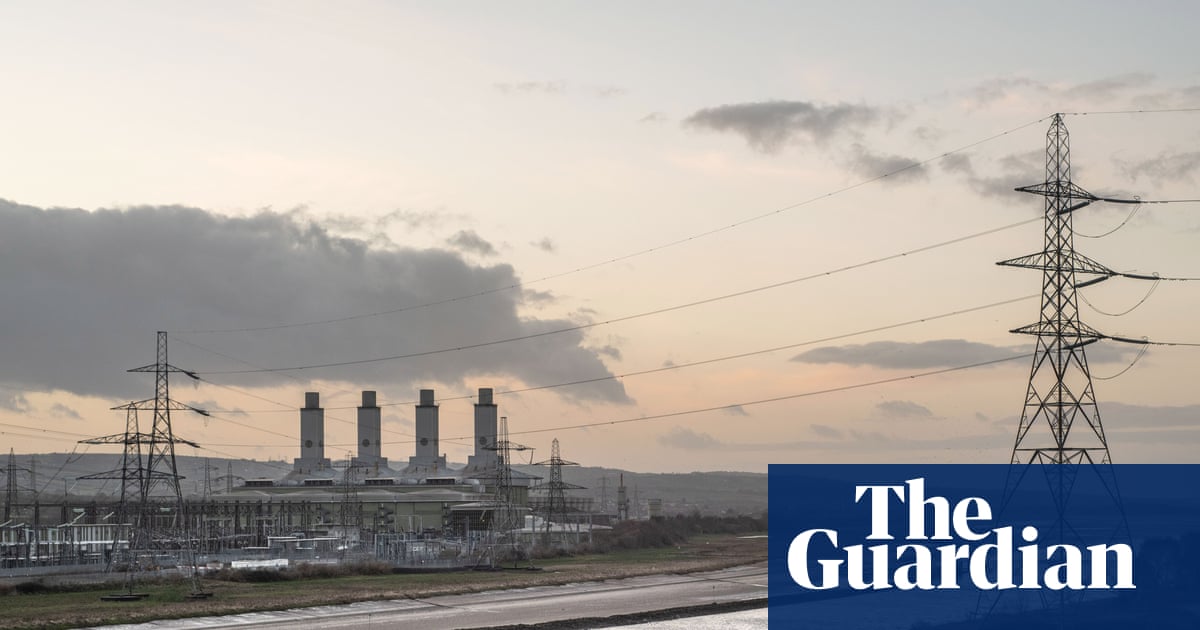
Executive summary
UK households face another energy price cap rise, with typical annual bills reaching £1,723. Experts warn that years of political inaction have left Britain with one of Europe's most expensive power systems, largely due to its marginal pricing model driven by gas prices. Calls for short-term and long-term reforms aim to reduce costs for consumers and businesses.
Reporting based on theguardian.com
Why it matters
The escalating cost of electricity in the UK, driven by the current market design, directly impacts the operational expenses for AI infrastructure, such as data centres. High and unstable energy prices could deter investment in expanding AI capacity within the UK, potentially hindering its competitiveness and growth in this critical technological sector.
Sector impact
Analysis by AI Energy Intelligence UK
The article highlights the UK's high electricity costs and market design flaws, which affect the price of every unit of electricity consumed. For AI infrastructure, which is highly electricity-intensive, these factors mean significantly higher operational outlays. The current system incentivises using cheaper power at off-peak times, which flexible tariffs could facilitate, but the underlying cost structure remains problematic for high, constant demand.
The reliance on gas-fired power plants setting the marginal price, even when cheaper renewables are available, exposes the UK to global gas price volatility. This structural vulnerability, further exacerbated by geopolitical events, underscores a lack of energy security in pricing, though not necessarily in supply volume. Decoupling gas and electricity pricing could mitigate this financial insecurity.
Businesses, like households, face significantly higher electricity costs, with levies adding over 20% to an electricity bill for most. The current market design, where high gas prices dictate overall electricity costs, coupled with significant charges from bodies like the Crown Estate, creates a high-cost environment that affects profitability and investment decisions for all enterprises, including those in the AI sector.
UK consumers are experiencing a significant cost-of-living crisis due to soaring energy bills, with the typical annual bill for household gas and electricity soon reaching £1,723. Despite some government interventions, British households pay more for power than many other European nations, impacting disposable income and leading to increasing energy debt.
Key statistics
Figures as reported by theguardian.com. See original source for context.
Quotations
"Gas became the marginal cost setter, which meant we were much more exposed to the gas prices than other countries."
"The government must put all electricity generators on to fixed price contracts."
"Like the energy market, it’s the top-most bid that sets the price, so everybody will be paying for these highly inflationary leases."
"they should be looking after the public interest and maximising the cost-effective rollout of offshore wind for decarbonisation, not maximising their own profits."
"complicated but possible"
"probably the biggest and most effective intervention one can make"
Long-term implications
The current energy market design, which ties electricity prices to the most expensive generation source (often gas), creates systemic high costs. Without significant long-term reforms, such as market redesign to fixed-price contracts for generators or decoupling gas and electricity pricing, the UK will continue to face inflated energy bills and potential deterrents for energy-intensive industries like AI infrastructure.
Frequently asked questions
Why are UK energy bills so high?
UK energy bills are high due to a 'marginal pricing' system where the price for wholesale electricity is set by the most expensive source required, often costly gas-fired power plants. This exposes the UK to global gas price volatility, alongside additional government-mandated levies.
What is 'marginal pricing' in the UK energy market?
'Marginal pricing' means that the price paid by suppliers for wholesale electricity at any given moment is dictated by the most expensive source of generation required to meet demand at that time. In the UK, this is regularly electricity from gas-fired power plants, even when cheaper renewable sources are contributing.
What reforms are suggested for the UK energy market?
Suggested reforms include cutting levies, dealing with energy debt, promoting reactive pricing through flexible tariffs, redesigning the market to use fixed-price contracts for generators, controlling the Crown Estate's leasing practices, and permanently decoupling gas and electricity pricing.
How does the Crown Estate impact energy costs?
The Crown Estate, as the legal owner of the seabed, charges significant 'option fees' to wind developers. These fees are criticised for being highly inflationary and contributing to higher costs for offshore wind projects, ultimately affecting future energy bills.
What is 'decoupling gas and electricity pricing'?
'Decoupling gas and electricity pricing' refers to separating the price of electricity from the price of gas, which currently often sets the marginal cost. This reform would aim to prevent fluctuations in gas prices from disproportionately affecting overall electricity costs, potentially saving households money.
Explore related tools
Original source
This story summarises reporting from theguardian.com. Read the original for full context.
Read on theguardian.comRecommended reports
Independent UK research that expands on the themes in this story.

The environmental cost of AI-generated answers versus conventional search, benchmarked for UK decision-makers. An independent, evidence-based comparison of electricity, water and carbon per query across Google, Gemini, ChatGPT, Copilot, Perplexity and Claude — with forecasts to 2035.
Read the reportThe definitive UK view of AI's electricity, grid and infrastructure impact in 2026. An independent, evidence-based report on demand growth, data centre build-out, AI Growth Zones and the trajectory to 2035 — for UK policymakers, operators and investors.
Read the report
Independent analysis of the UK's best value energy suppliers for households in 2026 — covering tariffs, customer service, green energy, switching value and the July Ofgem price cap.
Read the reportGet the UK AI Energy briefing
Analysis on AI, electricity and the UK grid, straight to your inbox.
The measured evidence behind this story
Our reporting sits on top of the UK AI Energy Index — a sourced, dated record of AI and data-centre electricity demand, data-centre development and grid pressure.
View the full index