Datacentres now consume 6% of UK electricity, report reveals amid AI boom
Executive summary
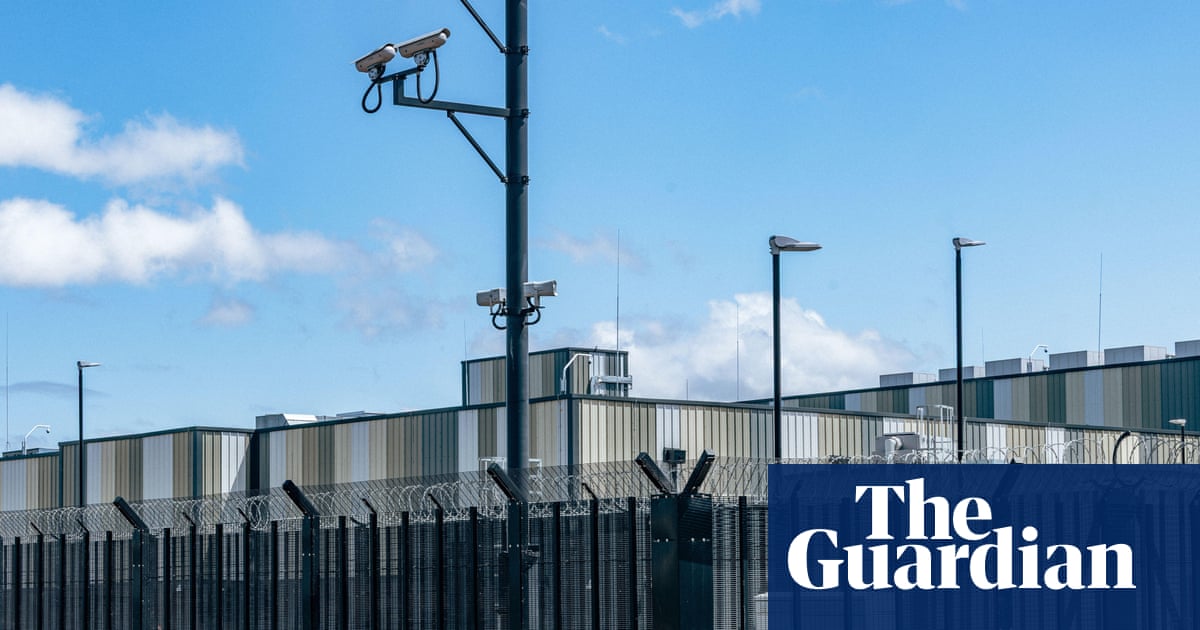
Datacentres in the UK and US now account for 6% of electricity consumption, driven by a 15% global increase in energy usage over two years due to AI. This surge in demand is causing energy shortages and extended waits for grid connections in the UK, leading to growing community and political concerns.
Reporting based on theguardian.com
Why it matters
For UK AI infrastructure and energy system stakeholders, this report highlights the immediate and growing strain datacentres, particularly those supporting AI, are placing on the national grid. It underscores critical issues such as energy security, grid connection delays, and the potential for public resistance, all of which will directly influence policy, investment, and operational planning in the sector.
Sector impact
Analysis by AI Energy Intelligence UK
Datacentres currently consume 5.9% of electricity in the UK, a figure that the UK government had previously estimated would increase fourfold by 2030 from an early 2025 baseline of 2.5%. This rising demand is contributing to energy shortages and prolonged grid connection queues, which saw a 460% increase in the first half of 2025.
The escalating electricity consumption by datacentres, particularly those serving AI, contributes to energy shortages in the UK and puts increased pressure on the national grid. This situation raises concerns about the stability and resilience of the UK's energy supply, especially given the long wait times for new grid connections.
Datacentre developers in the UK are facing waits of several years for national grid connections due to increasing power usage, which could impact project timelines and operational readiness. The rising energy consumption and associated 'community frustration' may also necessitate greater transparency from tech companies regarding their datacentre plans.
Greenpeace UK warns that an 'unchecked AI boom' could lead to higher energy bills for consumers. The growing demand for electricity from datacentres also places additional stress on water supplies, which could have broader environmental and social impacts.
Key statistics
Figures as reported by theguardian.com. See original source for context.
Quotations
"Significant community and political pushback starts to occur in nations once their datacentre footprints have reached the 5% consumption level of national grids"
"Before being swept along by the enthusiasm of tech billionaires whose profits depend on this expansion, we should pause and ask ourselves whether it’s worth the price."
"We need more transparency about the amount of water and energy used by data centres, proper environmental impact assessments, and a ban on new polluting plants being built to power AI."
"The attacks on datacentres – now viewed as critical infrastructure – in the Middle East have shocked datacentre operators and customers with the spectre of breached physical security."
"Cybersecurity is now twinned with physical security as part-and-parcel of a unified, comprehensive security strategy."
"This sort of inefficiency is presumed to be apparent throughout the world, with inefficiencies increasing as the percentage of cloud computing rises."
Long-term implications
The long-term implications include increased strain on the UK's energy infrastructure, potential for continued energy shortages, and a possible societal backlash against further datacentre development if energy and environmental concerns are not addressed. There's also a heightened need for improved transparency from tech companies and more robust environmental impact assessments to mitigate these issues and avoid a 'new lifeline for fossil fuels'.
Frequently asked questions
What percentage of electricity do datacentres use in the UK?
Datacentres in the UK use 5.9% of the country's electricity supply.
How has datacentre energy consumption changed globally?
Globally, datacentre energy consumption has increased by 15% in the past two years, largely due to the demands of AI.
What are the implications for the UK's national grid?
The increased electricity demand from datacentres is contributing to energy shortages and causing waits of several years for national grid connections in the UK, with connection queues growing by 460% in the first half of 2025.
What concerns have been raised about this trend?
Concerns include potential for higher energy bills, increased stress on water supplies, and a 'new lifeline for fossil fuels' if the AI boom is unchecked, alongside growing societal and political pushback.
What percentage of electricity use by datacentres triggers community pushback?
The IDCA research indicates that significant community and political pushback begins once datacentre footprints reach 5% of national grid consumption.
Explore related tools
Original source
This story summarises reporting from theguardian.com. Read the original for full context.
Read on theguardian.comRecommended reports
Independent UK research that expands on the themes in this story.
The environmental cost of AI-generated answers versus conventional search, benchmarked for UK decision-makers. An independent, evidence-based comparison of electricity, water and carbon per query across Google, Gemini, ChatGPT, Copilot, Perplexity and Claude — with forecasts to 2035.
Read the reportThe definitive UK view of AI's electricity, grid and infrastructure impact in 2026. An independent, evidence-based report on demand growth, data centre build-out, AI Growth Zones and the trajectory to 2035 — for UK policymakers, operators and investors.
Read the report
A structured briefing on how artificial intelligence infrastructure is reshaping Britain's power network — from substation bottlenecks to regional investment opportunities and long-term grid risk.
Read the reportGet the UK AI Energy briefing
Analysis on AI, electricity and the UK grid, straight to your inbox.
Evidence behind this story
Our reporting sits on top of the UK AI Energy Index and Data Centre Tracker — a sourced, dated record of AI and data-centre electricity demand, data-centre development and grid pressure.