Will AI Data Centres Affect Local House Prices?
AI data centres can influence local house prices, but the effect depends on distance, noise, infrastructure investment, employment and the character of the surrounding area.
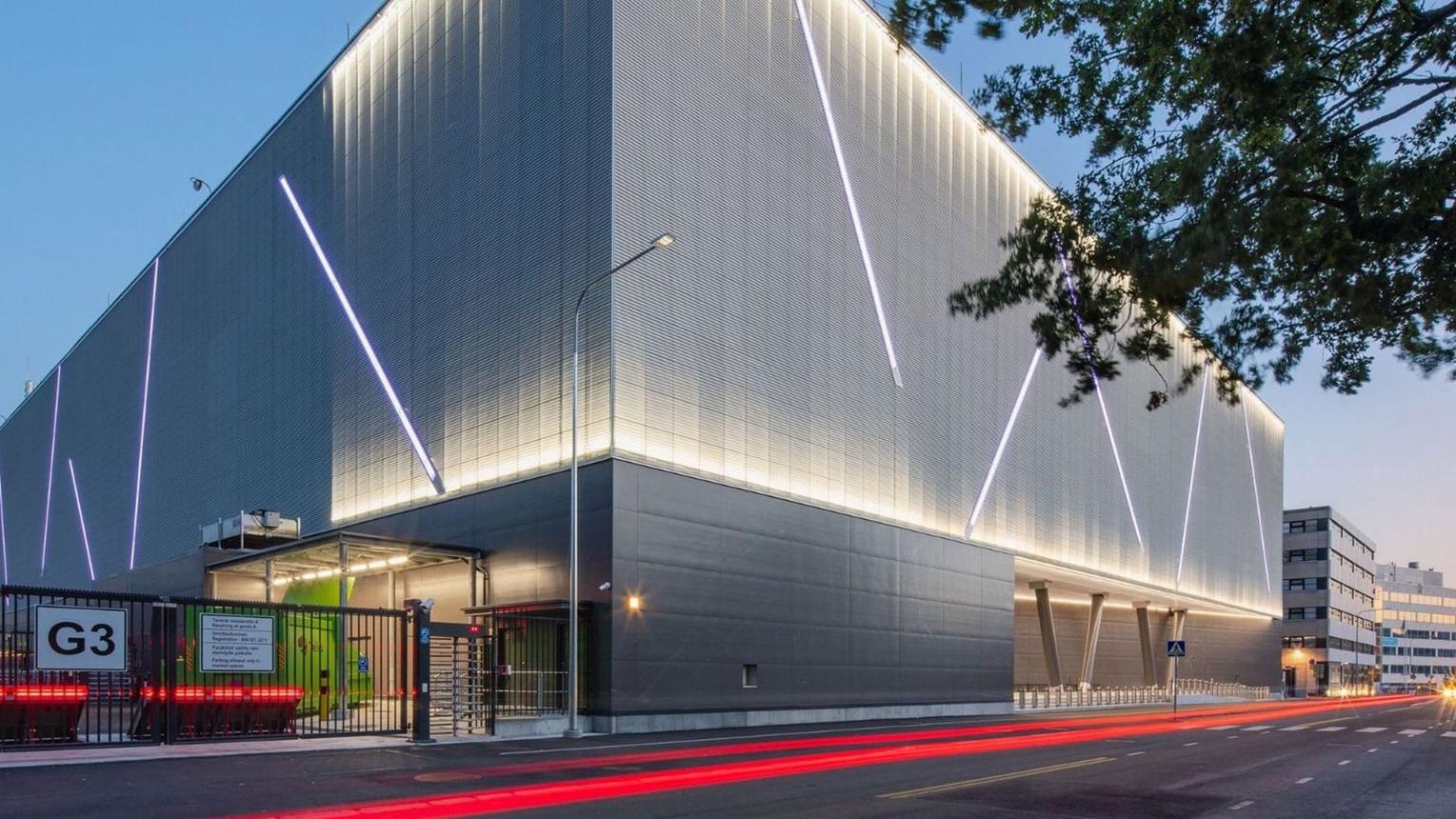
The short answer is yes, they can, but not always in the way people expect.
Many residents assume a large AI data centre being built nearby will automatically reduce property values. Others believe it will create jobs and push prices higher. The reality is more complicated.
The impact depends on:
Distance from the development
Existing local infrastructure
Whether the area is urban or rural
Noise and visual impact
Local employment opportunities
Pressure on electricity and water supplies
Future expansion plans
Like many things involving AI, the answer is not black and white. Humans would prefer a simple “good” or “bad” label. Property markets stubbornly refuse to cooperate.
Data Centres – Track AI infrastructure, data centre development and regional investment across the UK.
What Is an AI Data Centre?
AI data centres are specialised facilities filled with thousands of servers used to train and operate artificial intelligence systems.
The UK’s largest operators include facilities linked to major technology firms such as:
Microsoft
Google
Amazon
The UK Government designated data centres as part of Critical National Infrastructure in 2024 because they support AI, cloud computing, banking, healthcare and public services. Most UK capacity remains concentrated around London, although new growth areas are emerging around Manchester, South Wales and other regional hubs.
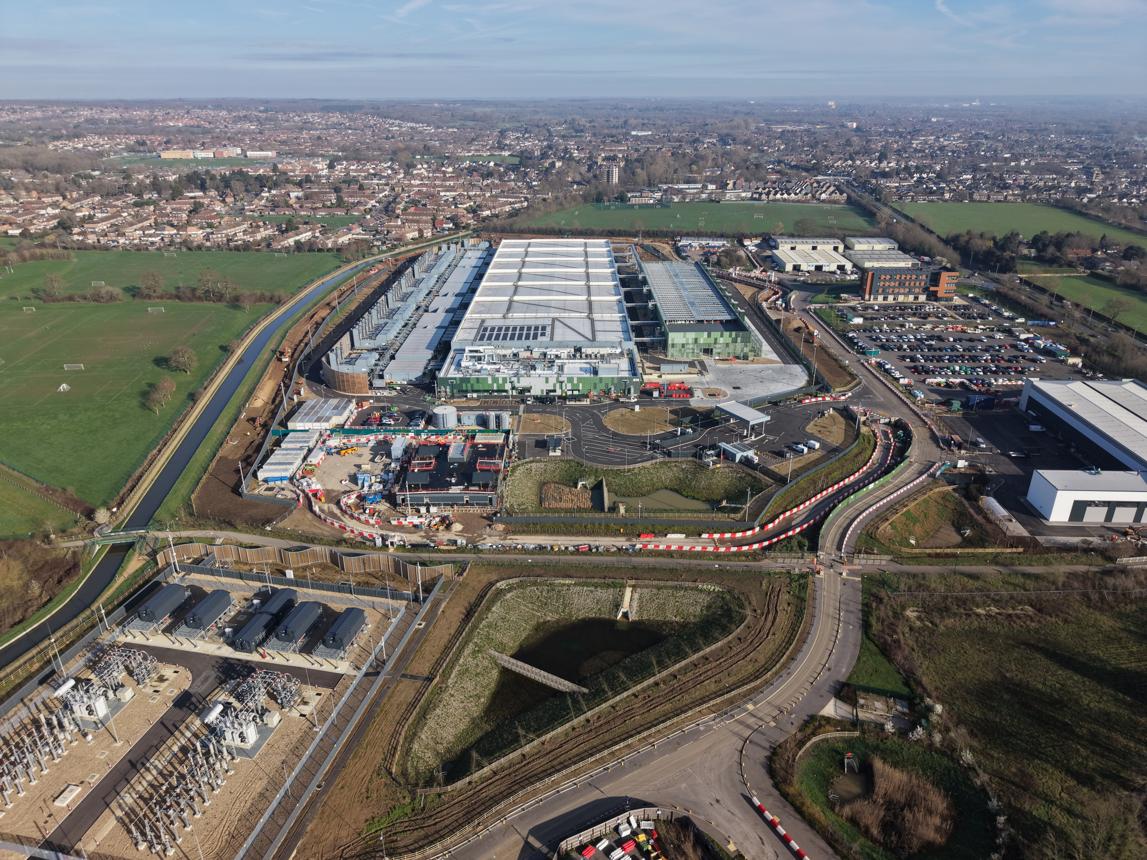
Why Some House Prices Rise
Better Infrastructure
Large data centre projects often require:
Improved roads
Upgraded electricity infrastructure
Fibre broadband expansion
New substations
These improvements can make an area more attractive to businesses and future residents.
Research from Northern Virginia, the world’s largest data centre cluster, found homes located closer to data centres often sold for higher prices because they were associated with stronger infrastructure and employment opportunities.
Increased Local Investment
Data centre operators frequently invest millions of pounds into local infrastructure.
A growing technology ecosystem can attract:
Technology firms
Construction companies
Engineering businesses
Professional services
Economic studies suggest greater data centre access can increase local economic output and support wider business growth.
New Jobs
While operational staffing levels are often lower than people imagine, construction phases can generate hundreds of jobs.
Areas perceived as future technology hubs may attract buyers hoping to benefit from long-term economic growth.
Why Some House Prices Fall
Visual Impact
Most data centres are not beautiful buildings.
They are typically large warehouse-style structures with:
High-security fencing
Backup generators
Cooling equipment
Utility compounds
A house overlooking countryside may command a premium.
A house overlooking a giant cooling plant generally does not.
Noise Pollution
Cooling systems operate around the clock.
Depending on design and proximity, residents may hear:
Cooling fans
Air-handling systems
Generator testing
Increased vehicle movements
Research consistently shows environmental noise can negatively influence property values.
Construction Disruption
Building a hyperscale data centre can take years.
Residents may experience:
Construction traffic
Road closures
Dust
Noise
Increased heavy goods vehicle movements
This can temporarily reduce local buyer interest.
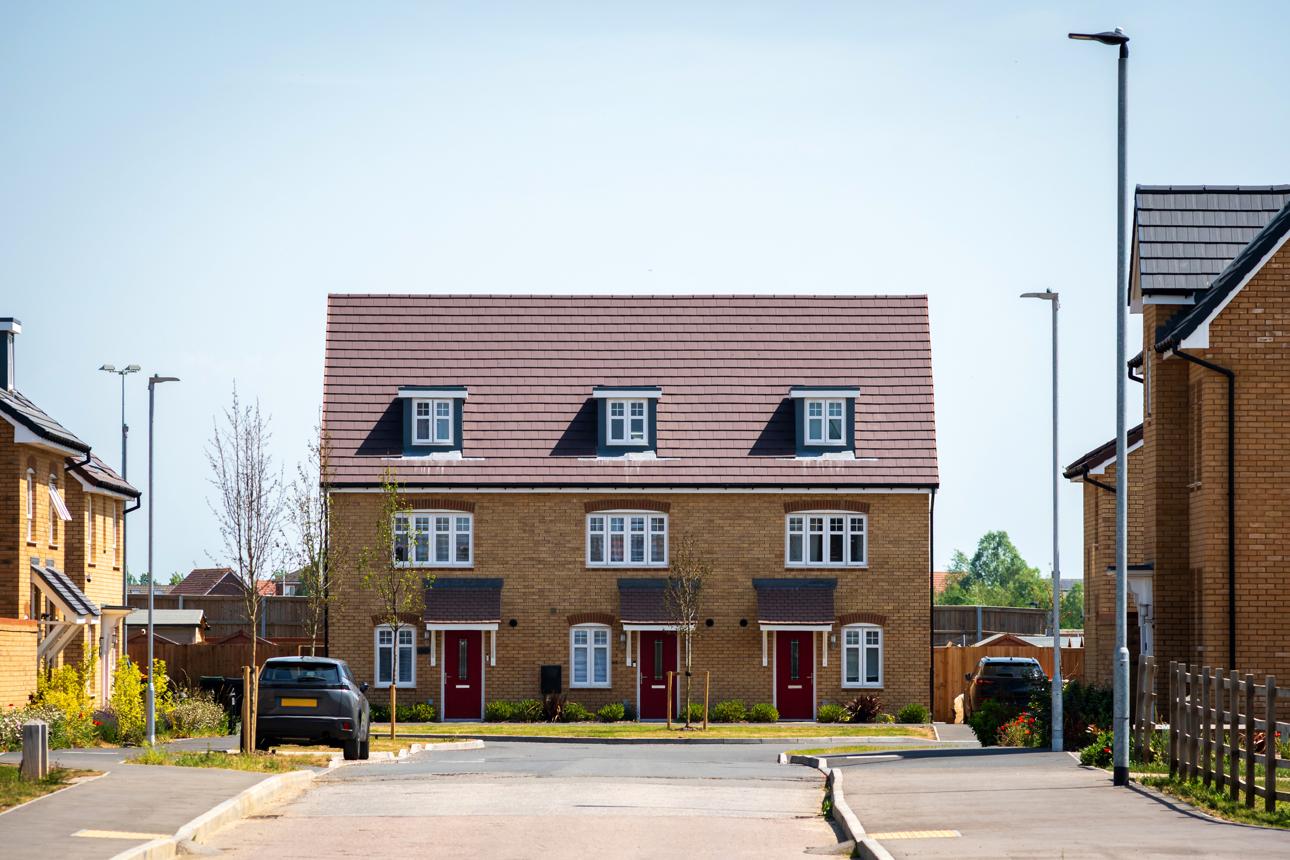
The Importance of Distance
Distance is usually the biggest factor.
Very Close: 0–500 Metres
Properties immediately adjacent to a major facility may experience:
Greater visual impact
More noise concerns
Increased traffic
These homes face the greatest risk of slower price growth.
Nearby: 500 Metres–2 Kilometres
This zone often experiences mixed effects.
Residents may benefit from:
Better infrastructure
Improved connectivity
Economic growth
They may receive these benefits without suffering the worst impacts.
Wider Area: More Than 2 Kilometres
Further away, positive economic effects can outweigh the negatives.
Many buyers may barely notice the data centre’s existence.
Could Data Centres Make Housing Shortages Worse?
Ironically, yes.
One emerging issue is competition for electricity infrastructure.
Reports have highlighted areas of London where electricity network constraints, linked partly to growing data centre demand, have delayed housing development and new grid connections.
If housing supply becomes constrained while local employment grows, property prices could rise.
This means some homeowners could benefit financially while prospective buyers face even higher housing costs. The housing market has always excelled at finding new ways to annoy everyone simultaneously.
Download the AI Data Centres & the UK Electricity Grid Report for a structured briefing on how artificial intelligence infrastructure is reshaping Britain’s power network.
What Happens in Rural Areas?
Rural communities often react differently.
Common concerns include:
Loss of farmland
Increased industrialisation
Landscape changes
Water consumption
Electricity demand
Opposition to AI data centres has grown internationally because residents worry about environmental impacts and changes to their quality of life.
In some rural locations, these concerns may suppress local property demand.
Could AI Data Centres Lower Council Tax or Local Taxes?
Potentially.
Large facilities can generate substantial business rate and tax revenues.
Some overseas communities have become heavily reliant on data centre tax income, helping to fund local services and infrastructure.
Improved local finances can make an area more attractive to residents and investors.
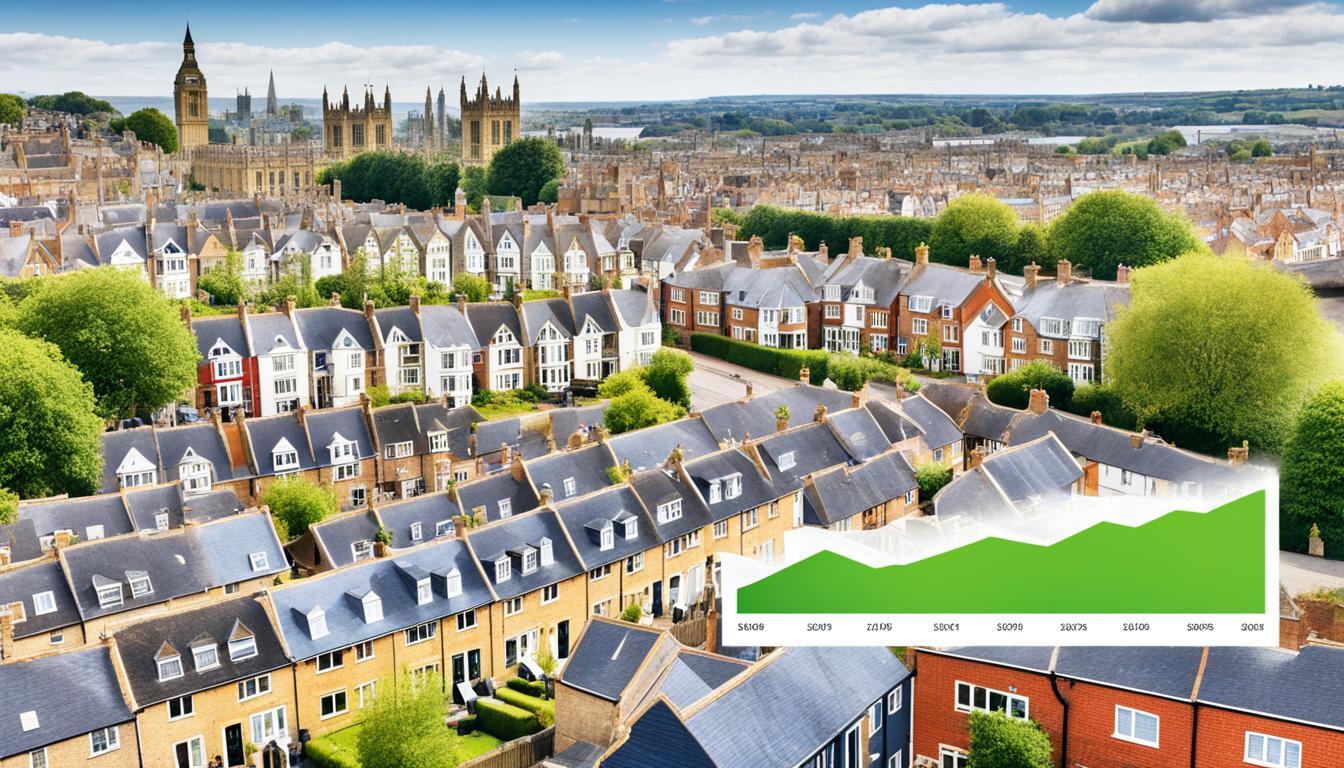
What About Manchester and Emerging UK AI Growth Areas?
Manchester is increasingly being discussed as a major UK technology and data centre location.
The UK Government and industry are encouraging new regional data centre investment beyond London to support AI growth and digital infrastructure.
For cities such as Manchester, the likely outcomes include:
Higher commercial property demand
More technology-sector investment
Increased infrastructure spending
Potential upward pressure on residential values in some areas
However, properties immediately adjacent to major facilities may still experience localised negative effects.
The Most Likely UK Outcome
For most UK locations, AI data centres are unlikely to cause dramatic house-price crashes.
The evidence suggests a more nuanced picture.
Potential Positives
Infrastructure investment
Technology jobs
Economic growth
Better connectivity
Increased local spending
Potential Negatives
Noise
Traffic
Visual impact
Water concerns
Electricity network pressure
Construction disruption
The biggest winners are often homes located close enough to benefit from investment but far enough away to avoid staring at cooling towers every morning.
Final Verdict
AI data centres will affect local house prices, but not in a universal way.
Properties directly beside large facilities may experience slower growth or reduced buyer interest because of noise, traffic and visual concerns.
Meanwhile, homes within growing technology hubs may benefit from infrastructure upgrades, economic investment and stronger employment opportunities, potentially supporting higher property values over time.
The evidence so far suggests that AI data centres are more likely to redistribute property value within an area than simply increase or decrease it across the board.
In other words, the houses with the best balance of access and distance tend to benefit most because, even in the age of artificial intelligence, people still prefer their investment opportunities slightly further away from industrial cooling fans.
References
UK Parliament Library: Data Centres, Planning Policy, Sustainability and Resilience
Public First: Data Centre Access and Local Economic Growth
George Mason University housing market research, via industry reporting
World Resources Institute: Community Impacts of Data Centre Growth
London grid and housing development impacts
SSRN research on data centre development and housing prices
See our Data Centre Impact Checker – understand the potential impact of nearby data centre development, from jobs and investment to electricity, water, traffic and house prices.
Try the numbers yourself
Related calculators
Free interactive tools from AI Energy Intelligence UK — no signup required.
AI Data Centre Electricity Calculator
Size the MW load, annual GWh and grid impact of a UK AI data centre.
Open calculatorData Centre Demand Calculator
Forecast regional AI data centre demand and connection queue impact.
Open calculatorAI Electricity Cost Calculator
Estimate the electricity bill for running or training AI workloads in the UK.
Open calculator